Why Can’t I Lose Weight Even Though I Eat Healthy? Hidden Causes and Fixes
| The short version | If you ask why can’t I lose weight even though I eat healthy, it’s usually that healthy food can still be calorie-dense, and small extras — oils, nuts, drinks, portions, weekends — quietly close the gap. |
| The key idea | “Healthy” and “low calorie” aren’t the same. Quality matters, but total energy still decides weight. |
| Biggest levers | Mind portions of calorie-dense foods, cut liquid calories, move more all day, and track honestly for a week. |
| Where supplements fit | As support for a consistent routine — never as a replacement for calorie balance. |
Few things are more frustrating than doing everything “right” and seeing no change. You’ve swapped the takeaways for home cooking, you’re eating salads and whole grains, you’ve cut the obvious junk — and yet the scale won’t budge. If you keep asking why can’t I lose weight even though I eat healthy, the answer is almost never that your body is broken. It’s that eating healthy and eating in a way that produces weight loss aren’t quite the same thing, and a handful of hidden factors are quietly closing the gap.
This isn’t about willpower or blame — it’s about visibility. Once you can see where the extra energy sneaks in, the fixes are usually small and painless. In this guide we’ll walk through the most common hidden causes of “eating healthy but not losing weight”, and the simple, honest adjustments that get things moving again.
The core idea: healthy isn’t the same as low-calorie
Weight change ultimately follows energy balance: to lose fat, you need to take in a little less energy than you use, consistently, over time. The quality of your food matters enormously for health, appetite and how you feel — but it doesn’t suspend the maths. A meal can be nutritious, wholesome and “clean” while still carrying a lot of calories. Olive oil, nuts, seeds, avocado, cheese, granola and smoothies are all genuinely healthy, and all energy-dense. Eat generous amounts of them and your total intake can quietly match or exceed what you burn, no junk food required.
This is the single biggest reason people stall while eating well. It’s not that your diet is bad — it’s that “healthy” gave you a mental green light to stop paying attention to quantity. Recognising that is genuinely freeing, because it means the fix is a few small tweaks rather than a whole new diet.
Why can’t I lose weight even though I eat healthy? The hidden causes
1. Calorie-dense healthy foods
The classic culprit. A drizzle of olive oil, a scoop of nut butter, a handful of nuts, a sprinkle of cheese and a big smoothie can add hundreds of calories to an otherwise light day — all from healthy foods. You don’t need to cut them out; you just need to be deliberate with the amounts.
2. Portions have quietly grown
Even wholesome meals cause weight gain in large enough servings. Portion sizes creep up over time without us noticing, and “healthy” foods rarely trigger the same caution as treats. Measuring your usual servings for a few days is often an eye-opener.
3. Liquid calories
Smoothies, juices, lattes, plant milks, kombucha and alcohol can carry serious energy while doing little to fill you up. A daily smoothie and a couple of coffees can add up to a meal’s worth of calories. Our guide on how much water you should drink covers why making water your default drink is such an easy win.
4. Low movement outside of meals
You can eat perfectly and still burn very little if your day is largely sedentary. Everyday movement — walking, standing, chores — makes up a big share of your daily burn, and a desk-bound routine lowers it substantially. If you eat well but sit most of the day, your energy balance may be tighter than it feels.
5. Weekends undoing the week
Five careful days can be cancelled out by two relaxed ones. A couple of meals out, some wine and a few treats over a weekend can easily erase a modest weekday deficit. Consistency across the whole week matters more than perfection on weekdays.
6. Underestimating and “forgetting” extras
Tastes while cooking, the kids’ leftovers, sauces, dressings and a square of chocolate here and there rarely get counted — but they add up. Studies of self-reported intake consistently show people underestimate how much they eat, often by a wide margin, and it’s rarely deliberate. This is not a personal failing, it is one of the most reproducible findings in nutrition research. A classic study of people who believed they were diet-resistant found they under-reported what they ate by roughly half and over-reported their activity (Lichtman et al., The New England Journal of Medicine, 1992), and the pattern still shows up in people who have successfully kept weight off (Dahle et al., 2021).
7. Sleep and stress
Poor sleep raises appetite and cravings the next day, and stress drives comfort eating — both can quietly increase intake even on a healthy diet. We cover these in does lack of sleep cause weight gain and does stress cause weight gain.
Support a consistent routine with LipoLess
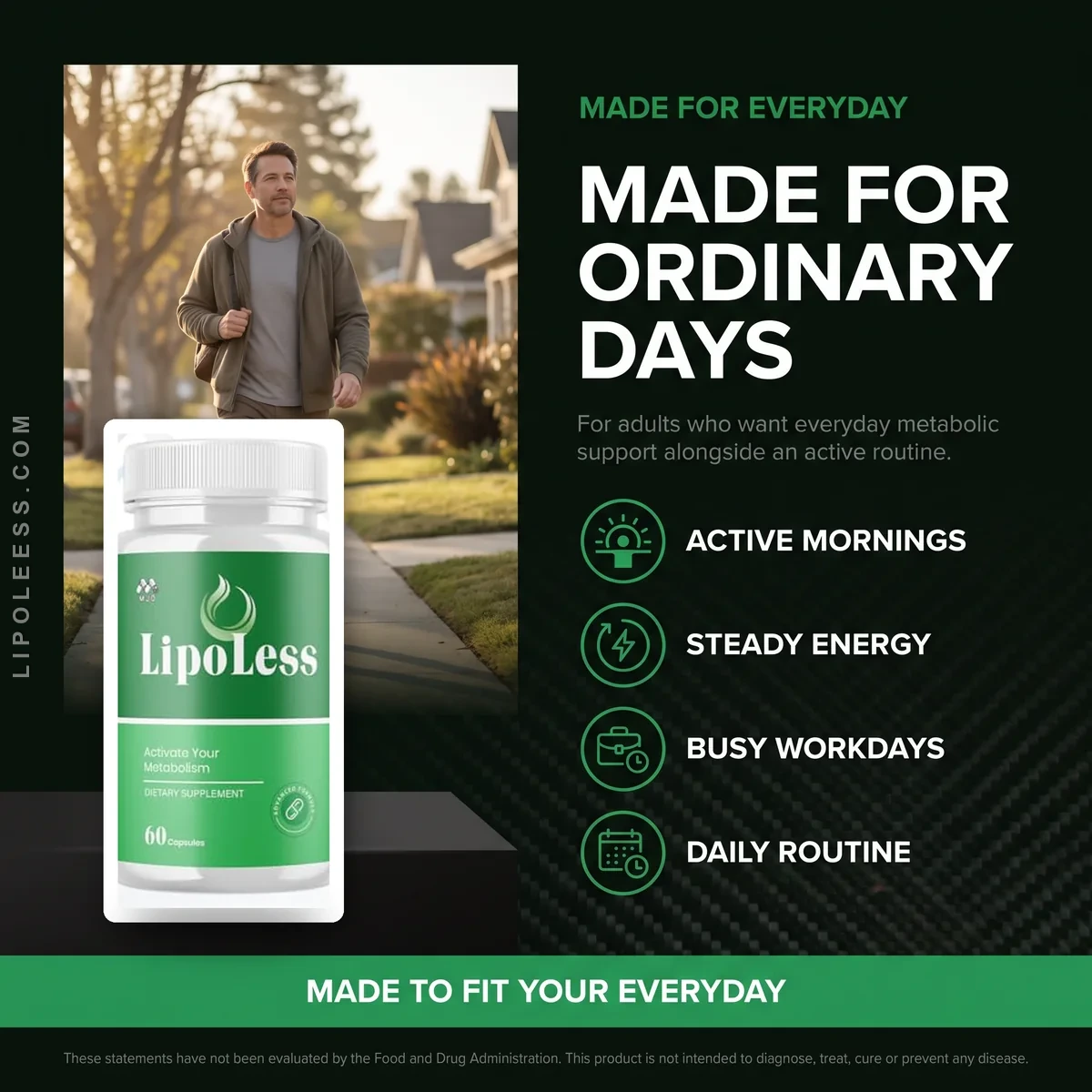
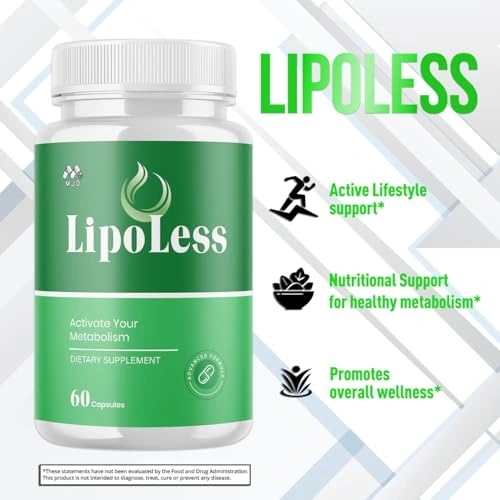
LipoLess is a vegan, non-GMO daily supplement built on a 600 mg Advanced Metabolism Blend with magnesium — designed to sit alongside balanced, sensibly portioned meals and everyday movement, not to replace calorie balance.
See LipoLess PackagesHow to find the hidden gap
Rather than guessing, spend one honest week gathering evidence. The goal isn’t judgement — it’s to make the invisible visible so you know exactly which small lever to pull.
- Track everything for seven days — including oils, drinks, sauces, tastes and weekend meals.
- Weigh calorie-dense foods once — oil, nut butter, cheese and granola, just to calibrate your eye.
- Add up your liquid calories — a day’s smoothies, coffees and drinks can surprise you.
- Count your daily steps — a tracker often reveals a more sedentary day than it felt like.
- Look at the whole week — not just the disciplined weekdays.
Backing up the basics
Once your portions, drinks and daily movement are dialled in, a clean daily supplement can be a convenient part of the routine. LipoLess pairs magnesium — an essential mineral that contributes to normal energy-yielding metabolism — with a focused metabolism blend, in a simple two-capsule serving.
View Pricing & PacksSimple fixes that get things moving again
You don’t need to overhaul your healthy diet — just tighten a few things and add consistency. Pick two or three to start.
- Measure calorie-dense extras — use a spoon for oil and nut butter rather than pouring.
- Lead with protein and vegetables — they fill you up per calorie, making a deficit easier to hold.
- Make water your default drink — keep smoothies and lattes as occasional, counted extras.
- Add daily movement — a post-meal walk and more steps lift your burn without a gym.
- Bring consistency to weekends — enjoy them, but not as a five-day reset.
- Protect your sleep — it steadies appetite and makes good choices easier.
When it’s a plateau, not a hidden gap
Sometimes the issue isn’t that you never lost weight — it’s that progress stalled after a good run. That’s a genuine plateau, and it works a little differently: your body adapts as you get lighter, so the intake that once created a deficit eventually matches your new, lower needs. If that’s your situation, our dedicated guide on why your weight loss has stopped covers the adjustments that get things moving again. And if hunger keeps derailing your healthy eating, foods that keep you full longer can make a calorie deficit far more comfortable.
Where a metabolism-support supplement fits
Let’s be clear: no supplement replaces a calorie balance that favours weight loss, and any product promising results without changing what you eat is overpromising. The fundamentals — sensible portions, protein, movement, sleep and consistency — do the real work. What a clean, transparent daily supplement can do is support a consistent, active lifestyle over time. That’s the modest, honest role LipoLess is built for. Favour a short label, sensible dosing and realistic language over dramatic claims.
Build a routine you can keep
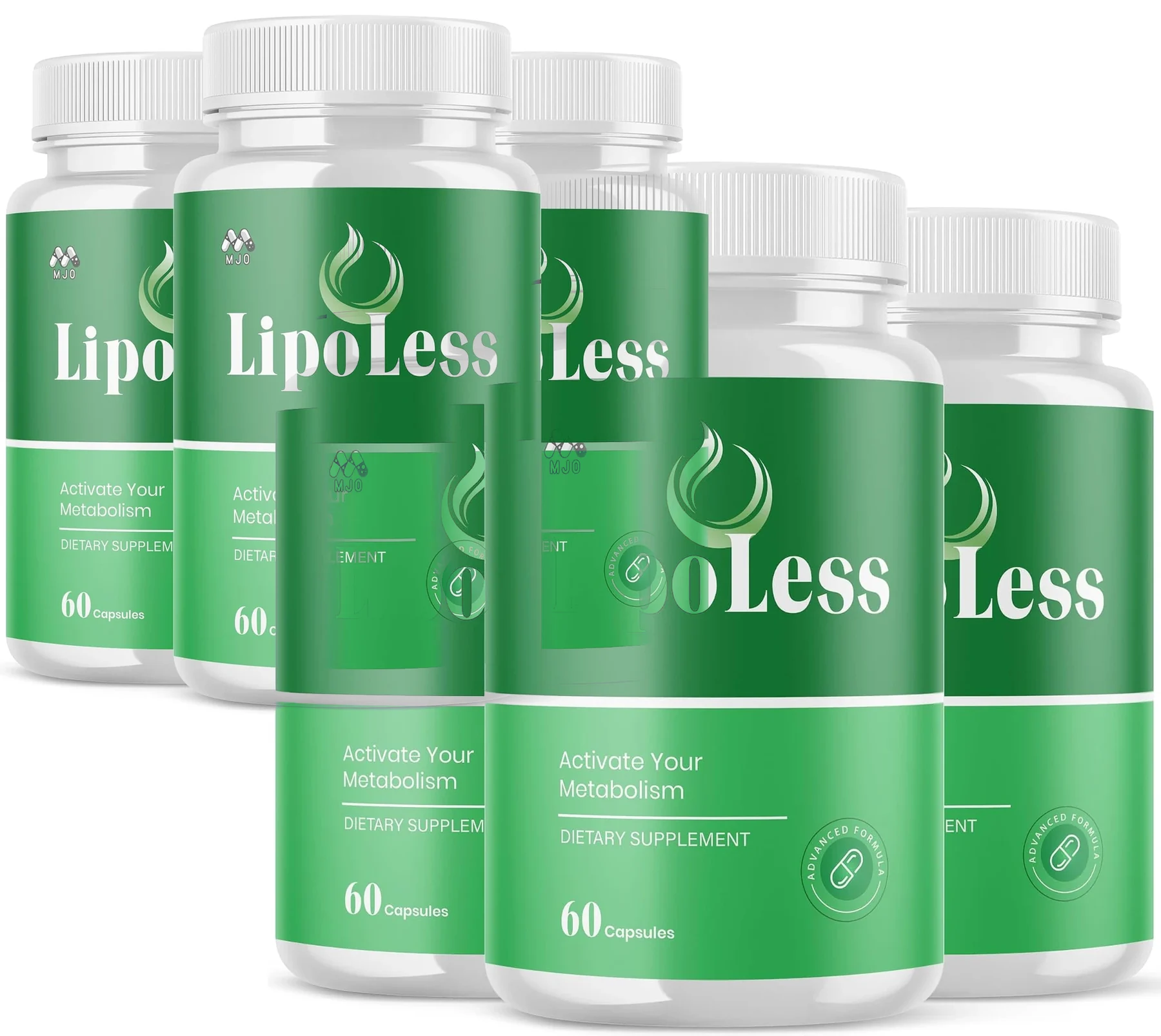
Pair sensibly portioned healthy meals, daily movement and good sleep with a two-capsule metabolism supplement — vegan, non-GMO and protected by a 60-day money-back guarantee. Multi-bottle packs make consistency easy.
Order LipoLess TodayFrequently asked questions
Why can’t I lose weight even though I eat healthy?
Usually because healthy food can still be high in calories, and small extras add up: generous portions, oils and dressings, nuts and cheese, liquid calories, and weekend eating that undoes a careful week. “Healthy” and “low calorie” are not the same thing, so total energy can quietly match or exceed what you burn.
Can you eat too much healthy food and not lose weight?
Yes. Calorie-dense healthy foods — olive oil, nut butters, avocado, granola, cheese, smoothies — are nutritious but energy-rich. It is entirely possible to eat only “good” foods and still be in a calorie surplus, which stalls weight loss despite the quality of the diet.
Why am I eating healthy and exercising but not losing weight?
Exercise burns fewer calories than most people think, and it can increase appetite or lead to “rewarding” yourself with extra food. Combined with calorie-dense healthy meals and low movement outside workouts, total intake can still match your burn. Reviewing portions, drinks and daily steps usually reveals the gap.
How do I know if I’m eating too many calories?
Track everything honestly for a week — including oils, drinks, sauces and tastes while cooking. Most people are surprised by how the extras add up. If the scale is not moving over several weeks despite the effort, intake is likely closer to your needs than it feels.
Can a supplement help me lose weight if diet alone isn’t working?
No supplement replaces a calorie balance that favours weight loss. A clean, transparent daily supplement is only support for consistent habits — sensible portions, protein, movement and sleep. If a genuine effort is not working, reviewing portions and daily activity is far more useful than any pill.
References
- National Institute of Diabetes and Digestive and Kidney Diseases. “Weight Management.” niddk.nih.gov
- U.S. Department of Agriculture. “Dietary Guidelines for Americans, 2020–2025.” dietaryguidelines.gov
- Centers for Disease Control and Prevention. “Healthy Weight and Growth.” cdc.gov
- National Institutes of Health, Office of Dietary Supplements. “Magnesium — Fact Sheet for Health Professionals.” ods.od.nih.gov
- Lichtman SW, et al. “Discrepancy between self-reported and actual caloric intake and exercise in obese subjects.” The New England Journal of Medicine, 1992. PubMed 1454084
- Dahle JH, et al. “Underreporting of energy intake in weight loss maintainers.” The American Journal of Clinical Nutrition, 2021. PubMed 33742193
† These statements have not been evaluated by the Food and Drug Administration. This product is not intended to diagnose, treat, cure or prevent any disease. This article is for general information only and is not medical advice; consult a qualified healthcare professional before changing your diet, exercise or supplement routine.