Foods That Keep You Full Longer: 12 High-Satiety Picks
| The short version | The best foods that keep you full longer are high in protein, fibre and water — they slow digestion, add volume and steady blood sugar. |
| Top picks | Eggs, Greek yoghurt, beans and lentils, oats, potatoes, fish, chicken, berries and leafy greens. |
| The principle | Fullness comes from protein + fibre + volume — not from tiny, joyless portions. |
| Where supplements fit | As support for a satisfying, consistent diet — never as a meal replacement. |
If your meals leave you hungry an hour later, the answer usually isn’t eating less — it’s eating smarter. Choosing foods that keep you full longer is one of the most reliable, least painful ways to manage your weight, because feeling satisfied is what makes a sensible routine actually sustainable. When your plate genuinely fills you up, you naturally graze less, crave less and overeat less — no willpower required.
In this guide we’ll cover the three qualities that make a food filling, then run through twelve high-satiety foods that keep you full longer, plus how to build them into everyday meals. None of this is about deprivation — it’s about getting more staying power from the food you already enjoy.
What makes a food filling?
Satiety — the feeling of lasting fullness — comes down to three main properties. Understanding them means you can spot a filling food anywhere, not just memorise a list. Both levers have been tested directly. A meta-analysis of randomised trials found higher protein intakes reduced appetite and shifted the gut hormones that signal fullness (Kohanmoo et al., Physiology & Behavior, 2020), while a systematic review of fibre trials found that fibre reduced appetite in only a minority of the comparisons tested, which makes it a real but modest lever (Clark & Slavin, 2013).
- Protein — the most satiating macronutrient. It slows digestion and influences the hormones that tell your brain you’ve eaten enough.
- Fibre — adds bulk, slows the release of sugar into your blood, and feeds a healthy gut, all of which prolong fullness.
- Volume and water — foods with high water and low energy density fill your stomach for few calories, so you feel satisfied without a surplus.
The most filling meals stack all three: a protein source, plenty of fibre-rich plants, and high-volume, water-heavy foods. This is the opposite of refined, processed snacks, which are calorie-dense, low in fibre and gone from your stomach quickly — a big reason they leave you asking why you’re always hungry.
12 foods that keep you full longer
1. Eggs
A near-perfect protein source that’s cheap, versatile and genuinely filling. A protein-rich breakfast built around eggs tends to reduce hunger and snacking across the morning compared with a refined-carb start like sugary cereal or a pastry.
2. Greek yoghurt
Thick, high in protein and endlessly adaptable. Plain Greek yoghurt with berries and a few nuts is a textbook high-satiety snack — protein, fibre and healthy fat in one bowl. Skip the heavily sweetened tubs, which add sugar without extra fullness.
3. Beans and lentils
Legumes are a rare double hit of protein and fibre, which is exactly why they’re so satisfying. They also add bulk and texture to soups, stews, salads and curries for very little cost. Building meals around them is a simple, budget-friendly upgrade.
4. Oats
Oats are rich in a soluble fibre called beta-glucan that swells with water and slows digestion, which is why a bowl of porridge holds off hunger far longer than the same calories from a sugary breakfast. Steel-cut or rolled oats beat instant, sweetened sachets.
5. Potatoes
Plain, cooked-and-cooled or simply boiled potatoes consistently rank among the most filling foods per calorie, thanks to their volume and resistant starch. Prepared simply — not deep-fried — they’re an underrated, satisfying staple.
6. Fish and seafood
Lean, high in protein and, in the case of oily fish like salmon and sardines, a source of healthy omega-3 fats. Protein plus fat makes fish a staying-power meal that pairs naturally with fibre-rich vegetables.
7. Chicken and lean poultry
A straightforward, high-protein anchor for almost any meal. A palm-sized portion alongside vegetables and a whole-grain or potato side is a reliable formula for lasting fullness.
8. Cottage cheese
High in slow-digesting casein protein, cottage cheese is a quiet satiety champion — great as a snack, on toast, or blended into savoury dishes.
9. Berries
Low in calories, high in fibre and water, and naturally sweet, berries add volume and satisfy a sweet tooth without the blood-sugar spike of refined sweets — handy if you’re working on stopping sugar cravings naturally.
10. Leafy greens and non-starchy vegetables
Spinach, broccoli, courgette, peppers and salad leaves are almost all fibre and water, so they fill your plate and stomach for very few calories. Making half your plate vegetables is one of the simplest satiety upgrades there is.
11. Nuts and seeds
Protein, fibre and healthy fat make a small handful of nuts genuinely satisfying. They’re calorie-dense, so portion matters — but as a measured snack they beat a biscuit for staying power every time.
12. Broth-based soups
Starting a meal with a broth-based (not creamy) soup adds warm volume and water, which can naturally reduce how much you eat afterwards. It’s an easy, comforting way to build fullness into a meal.
Support a satisfying diet with LipoLess
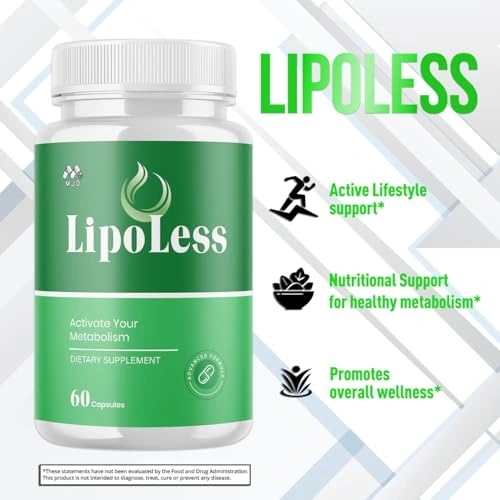
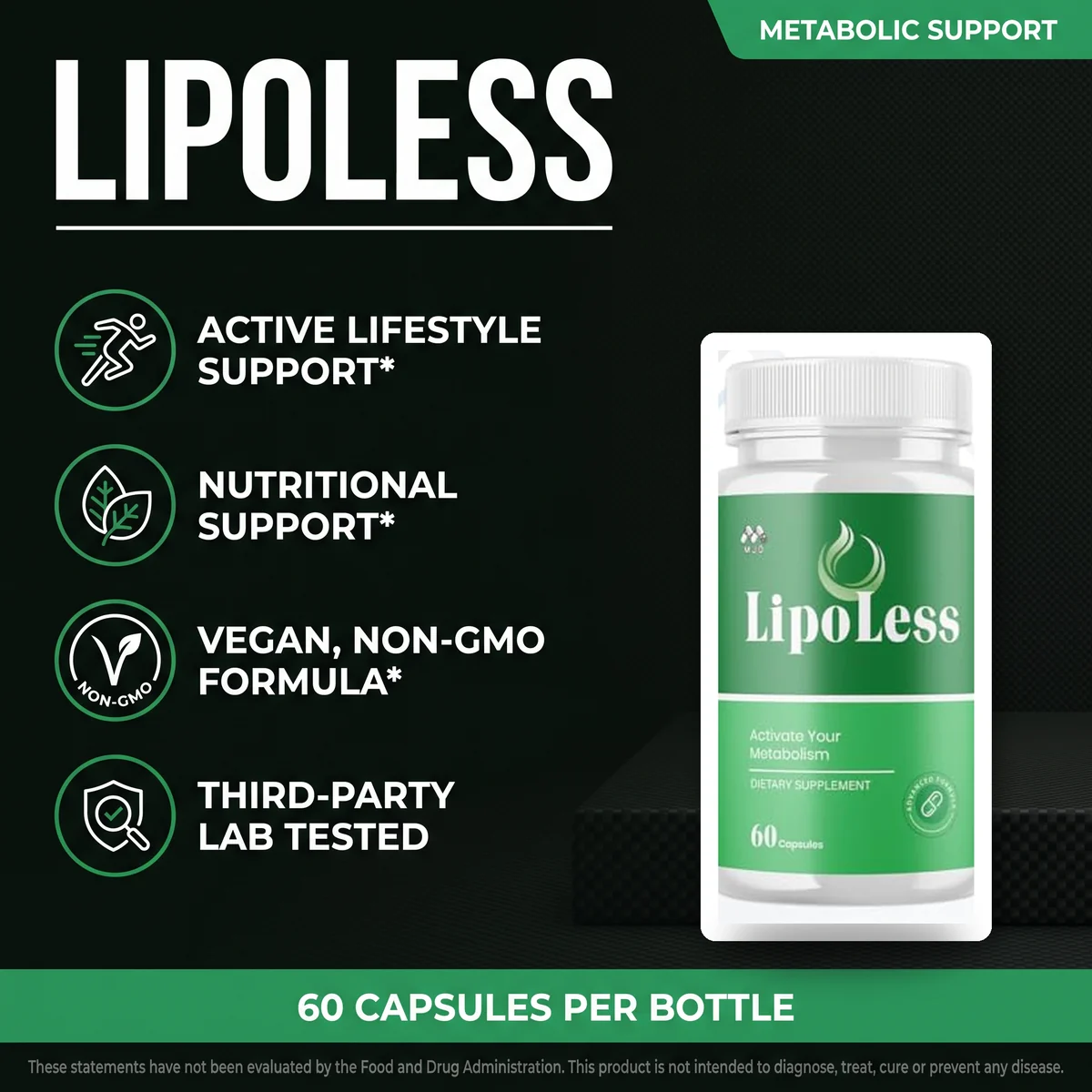
LipoLess is a vegan, non-GMO daily supplement built on a 600 mg Advanced Metabolism Blend with magnesium — designed to complement a filling, whole-food diet and steady habits, not to replace real meals.
See LipoLess PackagesHow to build a high-satiety plate
You don’t need to count anything. A simple visual formula does the job at every meal:
- A palm of protein — eggs, fish, chicken, beans, tofu, Greek yoghurt or cottage cheese.
- Half a plate of vegetables — for fibre, volume and water.
- A fist of smart carbs — oats, potatoes, whole grains or legumes.
- A thumb of healthy fat — olive oil, nuts, seeds or avocado for staying power.
Stack those four and you’ve built a meal that fills you up on a moderate number of calories — the whole point of eating for satiety. It also happens to be a plate that supports steady energy, which ties directly into boosting your metabolism naturally.
Backing up the basics
Once your meals are genuinely filling, a clean daily supplement can be a convenient part of the routine. LipoLess pairs magnesium — an essential mineral that contributes to normal energy-yielding metabolism — with a focused metabolism blend, in a simple two-capsule serving.
View Pricing & PacksFoods that do the opposite (and quietly leave you hungry)
Just as useful is knowing what tends to backfire. These foods are easy to over-consume precisely because they don’t satisfy:
- Sugary drinks and juices — liquid calories that bypass fullness almost entirely.
- Refined, ultra-processed snacks — low in fibre, engineered to be easy to keep eating.
- White bread and pastries — digest fast, spike then drop blood sugar, hunger returns.
- Sweets and confectionery — concentrated sugar with little protein, fibre or volume.
You don’t have to ban these — but building meals on the satiety-first list, and treating these as occasional extras, keeps hunger and grazing in check without any sense of deprivation.
Where a metabolism-support supplement fits
Let’s be clear: no supplement makes food more filling, and none replaces a balanced plate. The fundamentals — protein, fibre, volume and whole foods — do the real work. What a clean, transparent daily supplement can do is support a consistent, active lifestyle over time. That’s the honest role LipoLess is built for, alongside the meals above — not in place of them.
Build a routine you can keep
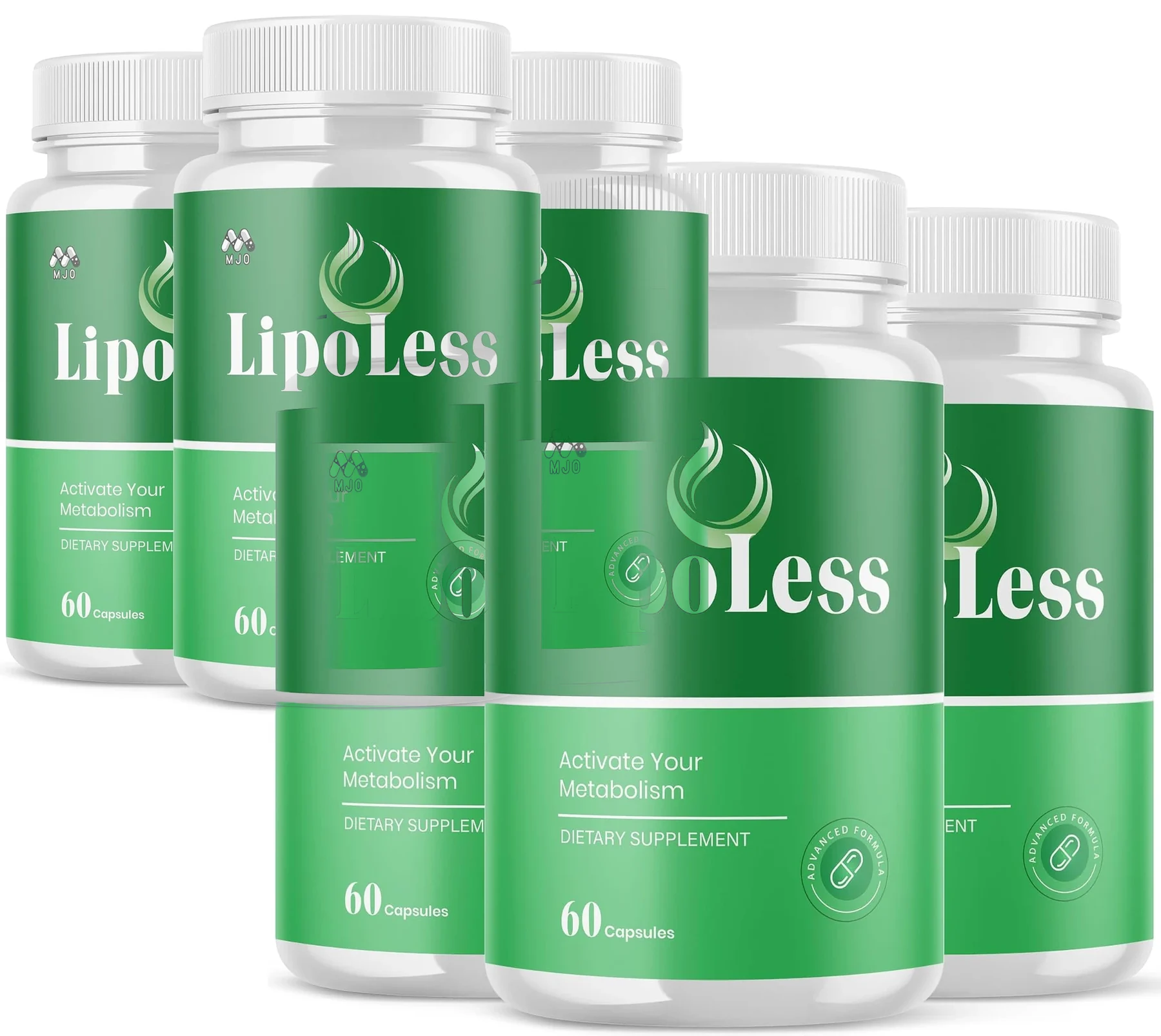
Pair a filling, whole-food diet with a daily two-capsule metabolism supplement — vegan, non-GMO and protected by a 60-day money-back guarantee. Multi-bottle packs make consistency easy.
Order LipoLess TodayFrequently asked questions
What foods keep you full the longest?
Foods high in protein, fibre and water tend to keep you full the longest. Eggs, Greek yoghurt, beans and lentils, oats, potatoes, fish, chicken, berries and non-starchy vegetables all rank high for satiety because they slow digestion, add volume and blunt the blood-sugar swings that trigger hunger.
What can I eat to feel full without gaining weight?
High-volume, low-calorie foods let you eat a satisfying amount for relatively little energy. Think leafy greens and salads, broth-based soups, non-starchy vegetables, berries, and lean protein such as eggs, fish and beans. Filling up on these first makes it easier to eat less of the calorie-dense extras.
Does protein really keep you fuller than carbs?
Generally, yes. Protein is the most satiating macronutrient, gram for gram, because it slows stomach emptying and influences fullness hormones. That is why a protein-anchored meal usually holds off hunger longer than one built mainly on refined carbohydrates.
Are snacks bad for weight management?
Snacks are not the problem; the wrong snacks are. A snack built on protein and fibre — yoghurt, nuts, fruit, hummus with vegetables — can steady appetite between meals. A refined-carb snack tends to spike then drop blood sugar and restart hunger sooner.
How do high-satiety foods help with weight loss?
They make a moderate calorie intake feel comfortable rather than restrictive. When your meals genuinely fill you up, you are less likely to overeat, graze or crash-crave later, which makes a steady, sustainable routine far easier to keep.
References
- U.S. Department of Agriculture. “Dietary Guidelines for Americans, 2020–2025.” dietaryguidelines.gov
- Harvard T.H. Chan School of Public Health. “The Nutrition Source: Fiber.” hsph.harvard.edu
- National Heart, Lung, and Blood Institute. “Aim for a Healthy Weight.” nhlbi.nih.gov
- National Institutes of Health, Office of Dietary Supplements. “Magnesium — Fact Sheet for Health Professionals.” ods.od.nih.gov
- Kohanmoo A, et al. “Effect of short- and long-term protein consumption on appetite and appetite-regulating gastrointestinal hormones, a systematic review and meta-analysis of randomized controlled trials.” Physiology & Behavior, 2020. PubMed 32768415
- Clark MJ, Slavin JL. “The effect of fiber on satiety and food intake: a systematic review.” Journal of the American College of Nutrition, 2013. PubMed 23885994
† These statements have not been evaluated by the Food and Drug Administration. This product is not intended to diagnose, treat, cure or prevent any disease. This article is for general information only and is not medical advice; consult a qualified healthcare professional before changing your diet, exercise or supplement routine.