Why Has My Weight Loss Stopped? Plateaus and What Helps
| The short version | If you’re wondering why has my weight loss stopped, a plateau usually means your intake and output have quietly re-balanced — not that anything is broken. |
| Biggest causes | Metabolic adaptation, portion creep, less daily movement, lost muscle, and stress or sleep working against you. |
| First moves | Protect protein and muscle, tighten portion accuracy, add movement, fix sleep — before slashing calories. |
| Where supplements fit | As support for a consistent, active routine — never as a plateau “breaker”. |
You were doing everything right. The weight was coming off, the habits felt manageable — and then the scale simply stopped. If you’re asking why has my weight loss stopped, take a breath: a plateau is one of the most normal, predictable stages of any weight-management journey. It’s not a sign of failure, and it’s rarely a sign that anything is medically wrong. It’s usually your body and your habits quietly settling into a new balance.
In this guide we’ll explain the real reasons a weight-loss plateau happens, how to tell a genuine stall from normal fluctuation, and the practical, everyday adjustments that get things moving again — without resorting to crash diets or misery.
What a plateau actually is
Weight loss happens when you consistently use more energy than you take in. A plateau is simply the point where those two sides have re-balanced — you’re now eating and burning roughly the same amount, so weight holds steady. The tricky part is that this can happen without any obvious change in your behaviour, because several small shifts stack up at once. Understanding those shifts is the key to nudging things forward again.
Why has my weight loss stopped? The real reasons
1. Your body burns less as you get lighter
A smaller body needs fewer calories to run and to move. The intake that created a deficit at your starting weight may now exactly match your needs — so the same routine that once produced loss now produces maintenance. This gradual downshift is normal and expected, not a broken metabolism. This is the piece of the puzzle with a name: metabolic adaptation, the fall in energy expenditure that accompanies weight loss and partly outpaces what the smaller body alone would predict (Martínez-Gómez & Roberts, 2022). It is also one reason regain is so common, alongside the appetite signals that rise as fat mass falls (Busetto et al., European Journal of Internal Medicine, 2021).
2. Portions have quietly crept up
Early motivation makes it easy to be precise. Over weeks, portions drift, “bites and tastes” add up, and estimates loosen — especially with calorie-dense foods, oils, dressings and drinks. Hidden calories are the single most common reason a stall appears while everything “feels the same”. Building meals around foods that keep you full longer makes tightening this up far less painful.
3. You’re moving less without realising
As you diet, the body often reduces spontaneous, non-exercise movement — fidgeting, walking, standing — to conserve energy. You might also, understandably, feel a little more tired. The result is fewer calories burned across the day, quietly closing the deficit. Rebuilding everyday movement is one of the most reliable fixes.

4. You’ve lost muscle along with fat
If your approach has been all diet and no strength work, some of the weight lost may be muscle — and muscle is metabolically active tissue that helps keep your energy needs up. Losing it lowers your calorie burn and can stall progress. Resistance training and adequate protein protect muscle, which is why they matter so much on a plateau. This ties directly into boosting your metabolism naturally.
5. Sleep and stress are working against you
Poor sleep and chronic stress raise appetite, worsen cravings and elevate cortisol — all of which make a deficit harder to sustain. Two people with identical diets can see very different results if one is sleep-deprived and stressed. We cover this in depth in does lack of sleep cause weight gain.
6. It might just be water
The scale reflects far more than fat: water, salt, carbohydrate stores, hormones and digestion all move it day to day. A “stall” of a week or two is often water masking real fat loss underneath. This is exactly why a single daily number is such a poor guide — more on that below. If the scale keeps jumping several pounds between days, the practical guide to reducing water retention naturally explains what is actually moving.
Support a consistent routine with LipoLess
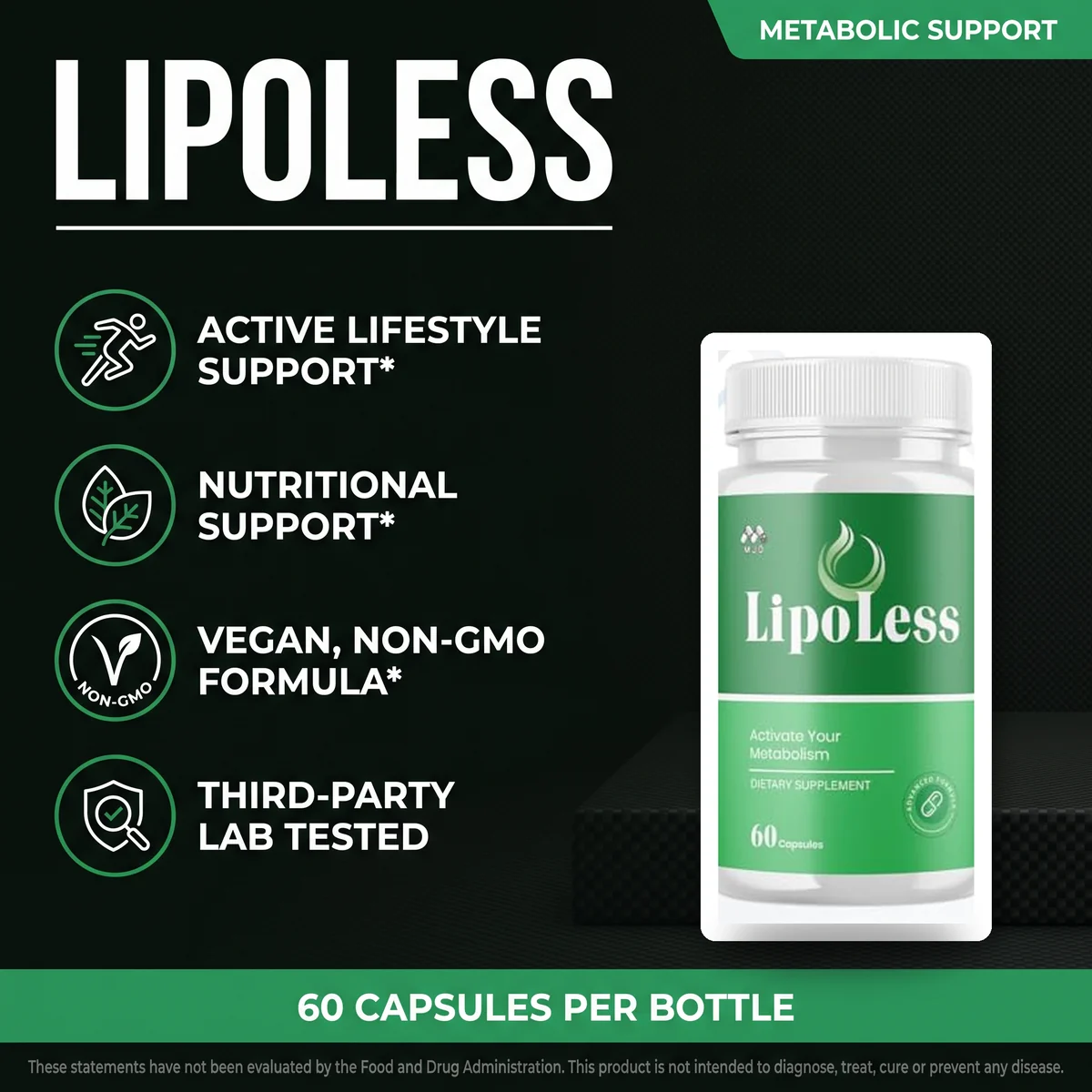
LipoLess is a vegan, non-GMO daily supplement built on a 600 mg Advanced Metabolism Blend with magnesium — designed to sit alongside the steady habits that carry you through a plateau, not to replace them.
See LipoLess PackagesIs it a real plateau, or normal fluctuation?
Before you change anything, make sure you’re actually stalled. A true plateau means no downward trend over at least three to four weeks — not a flat couple of days. To see the real trend through the daily noise:
- Weigh under consistent conditions — same time of day, and track the weekly average, not each day.
- Use a tape measure — waist and other measurements often move even when the scale doesn’t.
- Take progress photos — monthly comparisons reveal changes the scale hides.
- Notice how clothes fit — a simple, honest signal of body-composition change.
Backing up the basics
As you tighten your habits, a clean daily supplement can be a convenient part of the routine. LipoLess pairs magnesium — an essential mineral that contributes to normal energy-yielding metabolism — with a focused metabolism blend, in a simple two-capsule serving.
View Pricing & PacksHow to move past a plateau (without crash dieting)
Resist the urge to slash calories dramatically — that often lowers energy, muscle and adherence, making things worse. Try these steadier moves first, and give any change three to four consistent weeks.
- Recheck your portions — tighten accuracy on calorie-dense foods, oils, dressings and drinks.
- Prioritise protein — it protects muscle, curbs hunger and supports your metabolism.
- Add strength training — two to three sessions a week to preserve and build lean muscle.
- Rebuild daily movement — more steps, standing breaks and walks after meals.
- Fix your sleep — consistent, sufficient rest steadies appetite and energy.
- Manage stress — lowering chronic stress eases cravings and comfort eating.
- Be patient with the scale — track the weekly trend and other measures, not daily noise.
Where a metabolism-support supplement fits
Let’s be clear: no supplement “breaks” a plateau, and any product promising to melt through one is overpromising. The fundamentals — calorie balance, protein, movement, sleep and stress — are always what move things forward. What a clean, transparent daily supplement can do is support a consistent, active lifestyle over time. That’s the honest role LipoLess is built for. When comparing options, favour a short label, sensible dosing and realistic language over dramatic before-and-after promises.
Build a routine you can keep
Pair steady habits with a daily two-capsule metabolism supplement — vegan, non-GMO and protected by a 60-day money-back guarantee. Multi-bottle packs make consistency easy.
Order LipoLess TodayFrequently asked questions
Why has my weight loss stopped even though nothing has changed?
A stall usually means your intake and output have quietly re-balanced. As you lose weight your body burns fewer calories, portions tend to creep up, non-exercise movement drops, and the same routine that once created a deficit now maintains your new weight. It rarely means anything is broken.
How long does a weight-loss plateau last?
There is no fixed length. Some plateaus resolve within a couple of weeks once you tighten a few habits; others linger longer if calories have crept up or sleep and stress are working against you. Give any change three to four consistent weeks before judging it.
Should I eat less to break a plateau?
Not necessarily. Cutting calories too hard can backfire by lowering energy, muscle and adherence. Often the better moves are protecting protein and muscle, adding daily movement, improving sleep and tightening portion accuracy before slashing intake further.
Can a plateau just be water weight?
Yes, frequently. Scale weight fluctuates with water, salt, carbohydrate stores, hormones and digestion. A stall of one to two weeks may simply be water masking real fat loss, which is why measurements, photos and how clothes fit are more reliable than a single daily number.
Does building muscle stall the scale?
It can. If you are strength training while losing fat, the scale may hold steady even as your body composition improves. That is a good outcome, not a failure, and it is another reason to track more than weight alone.
References
- National Institute of Diabetes and Digestive and Kidney Diseases. “Weight Management.” niddk.nih.gov
- Centers for Disease Control and Prevention. “Steps for Losing Weight.” cdc.gov
- U.S. Department of Agriculture. “Dietary Guidelines for Americans, 2020–2025.” dietaryguidelines.gov
- National Institutes of Health, Office of Dietary Supplements. “Magnesium — Fact Sheet for Health Professionals.” ods.od.nih.gov
- Martínez-Gómez MG, Roberts BM. “Metabolic Adaptations to Weight Loss: A Brief Review.” Journal of Strength and Conditioning Research, 2022. PubMed 33677461
- Busetto L, et al. “Mechanisms of weight regain.” European Journal of Internal Medicine, 2021. PubMed 33461826
† These statements have not been evaluated by the Food and Drug Administration. This product is not intended to diagnose, treat, cure or prevent any disease. This article is for general information only and is not medical advice; consult a qualified healthcare professional before changing your diet, exercise or supplement routine.