Does Stress Cause Weight Gain? The Cortisol Link and What Helps
| The short version | Asking does stress cause weight gain? Mostly indirectly — stress raises cortisol, which can lift appetite and cravings, while also worsening sleep, movement and comfort eating. |
| The real driver | The extra calories from stress eating and the knock-on effects on sleep and activity, more than cortisol on its own. |
| Biggest levers | Manage stress with daily de-stress habits, protect sleep, keep moving, and plan meals so tense days don’t hijack your eating. |
| Where supplements fit | As support for a steady routine — never as a way to cancel out stress. |
It’s one of the most common questions in weight management: does stress cause weight gain? The short, honest answer is that stress rarely piles on pounds all by itself — but it’s a powerful behind-the-scenes influence. When life gets demanding, your body’s stress response shifts your hormones, your appetite, your sleep and your energy for movement, and those changes together can tip the scales upward over weeks and months.
Understanding how stress affects weight is genuinely useful, because it turns a vague worry into a set of specific, manageable levers. In this guide we’ll explain the cortisol connection in plain language, look at why stress so often leads to eating more and moving less, and lay out calm daily habits that help you manage both your stress and your weight — without adding another source of pressure.
How stress actually affects the body
When you face a challenge, your body releases stress hormones including adrenaline and cortisol. This “fight or flight” response is designed to be short-lived: it sharpens focus, frees up energy and then settles once the pressure passes. The trouble in modern life is that many stressors — deadlines, money, caregiving, constant notifications — never fully switch off, so cortisol can stay elevated for long stretches instead of spiking and returning to baseline.
Cortisol has many jobs, but in the context of weight it can increase appetite and steer cravings toward calorie-dense, sugary or salty foods — the classic “comfort food” pull. On its own, that hormonal nudge is modest. It becomes significant when it combines with the behavioural changes stress brings, which is where most stress-related weight gain really comes from.
Does stress cause weight gain? The real pathways
1. Stress eating and comfort food
For many people, tension triggers a pull toward eating — not from physical hunger, but for the quick relief that food provides. Because stress cravings skew toward sugar, fat and salt, stress eating tends to add calorie-dense food on top of normal meals. If this happens often, the extra energy adds up. Learning to spot emotional cues and respond differently is central here; our guide on how to stop emotional eating walks through practical steps.
2. Worse sleep
A racing mind is one of the most common reasons people sleep poorly, and short or broken sleep then shifts appetite hormones the next day — raising hunger and lowering fullness. So stress and poor sleep feed each other, and both push toward eating more. We cover this loop in depth in does lack of sleep cause weight gain.
3. Less movement and lower energy
When you’re stretched thin, exercise is usually the first thing to go, and even everyday movement tends to drop as you sit more and feel more drained. A lower daily burn on the same food quietly favours weight gain. Stress can also leave you too tired to cook, nudging you toward convenient, calorie-dense takeaways.
4. Cortisol, cravings and where fat is stored
Beyond appetite, chronically elevated cortisol is associated for some people with a tendency to store more fat around the abdomen. It’s worth keeping perspective, though: this hormonal influence is real but secondary to the calories that stress eating and poor sleep add. If you’re curious about the belly-fat angle specifically, see what causes belly fat. Researchers are careful here: a review of stress and obesity concluded that the effect is real but uneven, with some people far more susceptible than others (van der Valk et al., Current Obesity Reports, 2018), and a 2023 path-model study found the route from psychological distress to weight status runs largely through emotion dysregulation and emotional eating rather than through cortisol alone (Guerrini-Usubini et al., 2023).
5. Skipping meals then overeating
Busy, stressful days often mean skipped or rushed meals — which leaves you ravenous later and far more likely to overeat in the evening. This feast-or-famine pattern is a common, sneaky route to eating more overall, even when the daytime felt disciplined.
Support a steady routine with LipoLess
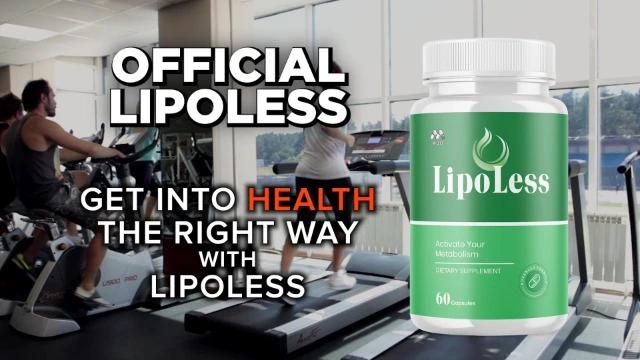
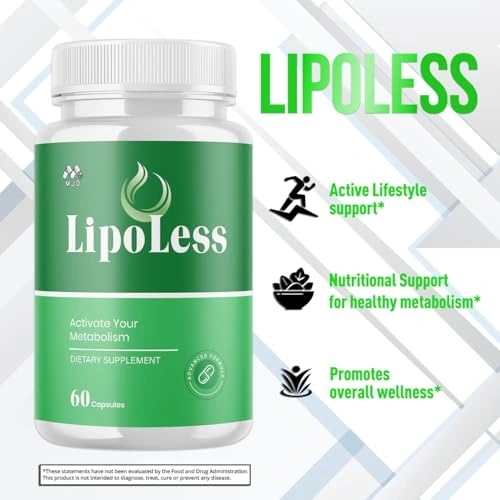
LipoLess is a vegan, non-GMO daily supplement built on a 600 mg Advanced Metabolism Blend with magnesium — designed to sit alongside balanced meals, movement and good sleep during busy, demanding stretches.
See LipoLess PackagesSigns stress is affecting your weight
Stress-related eating can be subtle. A few honest questions help you spot whether it’s part of your picture.
- Do you crave sugary or salty food when tense? — a classic cortisol-driven cue.
- Do you eat past fullness on your busiest days? — food used for relief rather than hunger.
- Do you skip meals then overeat at night? — the feast-or-famine pattern.
- Is your sleep worse during stressful weeks? — which raises next-day appetite.
- Does exercise fall away when you’re under pressure? — lowering your daily burn.
Daily habits that help you manage stress and weight
The aim isn’t to eliminate stress — that’s not realistic — but to build small buffers so it hijacks your eating and sleep less often. Pick a couple and keep them simple.
- Build in daily de-stress moments — a walk, slow breathing, stretching or time offline lowers the stress load.
- Protect your sleep — a consistent wind-down steadies the hormones that govern appetite.
- Keep moving — even short walks burn energy and are among the best stress relievers there are.
- Eat regular, protein-rich meals — steadier blood sugar means fewer stress-driven crashes and cravings.
- Plan for tense days — keep satisfying, ready options on hand so stress doesn’t default to takeaways.
- Pause before comfort eating — a glass of water and ten minutes often lets the urge pass.
Backing up the basics
Once your stress buffers, sleep and meals are working together, a clean daily supplement can be a convenient part of the routine. LipoLess pairs magnesium — an essential mineral that contributes to normal energy-yielding metabolism — with a focused metabolism blend, in a simple two-capsule serving.
View Pricing & PacksWhy managing stress makes weight easier
Here’s the encouraging part: because stress affects weight mostly through appetite, sleep and movement, managing your stress tends to improve all three at once. When you sleep better, your appetite steadies. When you move regularly, you burn more and feel calmer. When you eat balanced meals on a schedule, you’re far less likely to reach for comfort food to fill an emotional gap. Stress management isn’t a separate project from weight management — it’s often the missing piece that makes everything else click into place.
If low energy is part of your stress picture too, you may find our guide on why you feel tired and sluggish all the time a useful companion, since fatigue and stress reinforce each other in much the same way.
Where a metabolism-support supplement fits
Let’s be clear: no supplement removes stress or its effects on weight, and any product claiming to “melt” stress fat is overpromising. The fundamentals — managing stress, protecting sleep, moving daily and eating balanced meals — do the real work. What a clean, transparent daily supplement can do is support a consistent, active lifestyle over time. That’s the modest, honest role LipoLess is built for. When comparing options, favour a short label, sensible dosing and realistic language over dramatic claims.
Build a routine you can keep
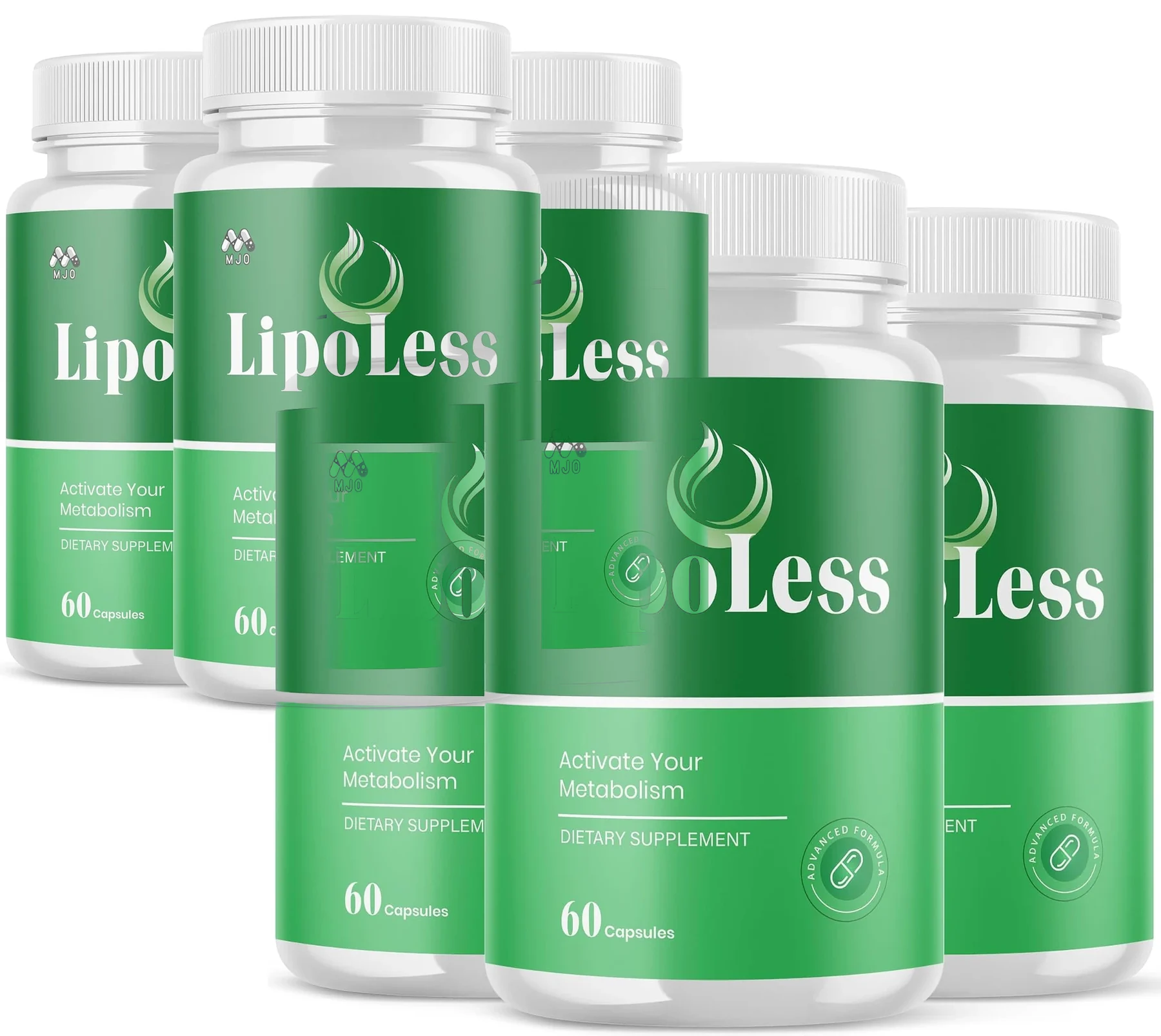
Pair daily de-stress habits, good sleep and balanced meals with a two-capsule metabolism supplement — vegan, non-GMO and protected by a 60-day money-back guarantee. Multi-bottle packs make consistency easy.
Order LipoLess TodayFrequently asked questions
Does stress cause weight gain directly?
Stress rarely adds weight by itself. It works indirectly: elevated cortisol can increase appetite and cravings for calorie-dense food, while stress also tends to worsen sleep, lower movement and drive comfort eating. Those knock-on effects are what usually move the scale over time.
Does cortisol make you gain belly fat?
Chronically high cortisol is associated with a tendency to store more fat around the abdomen for some people. The larger driver, though, is the extra calories that stress-related eating and poor sleep can add. Managing stress, sleep and diet together matters more than focusing on cortisol alone.
Can stress make it harder to lose weight?
Yes. Stress can raise appetite, disrupt sleep, sap the energy and motivation to move, and make comfort eating more tempting. Each of these makes a calorie deficit harder to maintain, so managing stress often makes weight management noticeably easier.
What are the signs stress is affecting my weight?
Common signs include craving sugary or salty comfort foods when tense, eating past fullness during busy periods, skipping meals then overeating later, poorer sleep, and less appetite for exercise. If several of these line up with stressful stretches, stress is likely part of the picture.
Can a supplement help with stress-related weight gain?
No supplement removes stress or its effects on weight. A clean daily supplement is only support for a consistent routine of balanced meals, movement and sleep. The most effective steps for stress-related weight are managing the stress itself and protecting sleep.
References
- National Institute of Mental Health. “I’m So Stressed Out! Fact Sheet.” nimh.nih.gov
- Centers for Disease Control and Prevention. “Coping with Stress.” cdc.gov
- National Institute of Diabetes and Digestive and Kidney Diseases. “Weight Management.” niddk.nih.gov
- National Institutes of Health, Office of Dietary Supplements. “Magnesium — Fact Sheet for Health Professionals.” ods.od.nih.gov
- van der Valk ES, et al. “Stress and Obesity: Are There More Susceptible Individuals?.” Current Obesity Reports, 2018. PubMed 29663153
- Guerrini-Usubini A, et al. “The interplay between emotion dysregulation, psychological distress, emotional eating, and weight status: A path model.” International Journal of Clinical and Health Psychology, 2023. PubMed 36199369
† These statements have not been evaluated by the Food and Drug Administration. This product is not intended to diagnose, treat, cure or prevent any disease. This article is for general information only and is not medical advice; consult a qualified healthcare professional before changing your diet, exercise or supplement routine.