How Much Water Should You Drink to Lose Weight? A Guide
| The short version | How much water should you drink to lose weight? A practical target is roughly 2–3 litres (8–12 cups) of fluid a day for most adults, adjusted for size, activity and climate. |
| Why it helps | Water replaces sugary drinks, adds fullness before meals, and stops thirst being mistaken for hunger. |
| The honest limit | Water itself burns almost nothing — its value is indirect but very real. |
| Where supplements fit | As support for hydration-forward, consistent habits — never as a substitute for them. |
It’s one of the most-searched weight questions for a reason: water is free, simple, and genuinely useful. But the hype often outruns the science, so let’s answer it honestly. How much water should you drink to lose weight? For most adults, a practical target is around 2 to 3 litres of fluid a day — roughly 8 to 12 cups — adjusted for your body size, activity level and climate. There’s no magic number that melts fat, but staying well hydrated supports weight management in several real, everyday ways.
In this guide we’ll explain how water actually helps with weight, how much you truly need, when to drink it for the biggest benefit, and simple habits to hit your target — without carrying a giant bottle everywhere or forcing down litres you don’t want.
How water helps with weight (the honest version)
Water doesn’t have magical fat-burning powers — it has no calories, and its direct effect on how many calories you burn is small. Its value is indirect, which doesn’t make it any less powerful in practice. Here’s where it earns its place.
1. It replaces liquid calories
This is the biggest win by far. Swapping sugary drinks, juices, energy drinks and sweetened coffees for water removes a large source of easy, un-filling calories — the kind that add up fast without ever satisfying you. If you do just one thing from this article, make it this.
2. It supports fullness before and during meals
A glass of water shortly before eating adds a little stomach volume, which can help you feel satisfied on a sensible portion. Combined with foods that keep you full longer, front-loading water is a low-effort way to make a moderate meal feel like enough. The evidence here cuts both ways, which is worth knowing before you build a plan around it. A randomised trial in middle-aged and older adults found that drinking 500 ml of water before meals increased weight loss on a reduced-calorie diet (Dennis et al., Obesity, 2010); a later review of water-intake studies concluded that extra water reliably changes hunger ratings and food preference but does not dependably reduce how much people actually eat (McKay et al., 2018).
3. It stops thirst masquerading as hunger
The brain regions for thirst and hunger sit close together, and mild dehydration is easily misread as a vague need to snack. Staying hydrated removes that false signal — a common, quiet source of extra eating we explore in why you’re always hungry.
4. It keeps energy and performance up
Even mild dehydration can leave you feeling flat, foggy and less inclined to move — which quietly reduces the activity that supports weight management. Staying hydrated helps you feel and perform better, so you’re more likely to keep up your habits and workouts.
So, how much water do you actually need?
General guidance for most adults lands around 2 to 3 litres of total fluid per day, but the right amount for you depends on several things. Treat these as adjustments to the baseline, not rigid rules.
- Body size — larger bodies generally need more fluid.
- Activity level — exercise and sweating raise your needs.
- Climate — hot, humid or dry conditions increase losses.
- Diet — water-rich foods like fruit and vegetables contribute to your total.
- Health factors — some conditions and medications change fluid needs, so follow personal medical advice.
Importantly, all fluids count — not just plain water. Unsweetened tea and coffee, milk, and the water in fruits, vegetables and soups all add to your daily total. And the simplest gauge of all is your body: pale-yellow urine and rarely feeling thirsty usually mean you’re well hydrated.
Support a hydration-forward routine with LipoLess
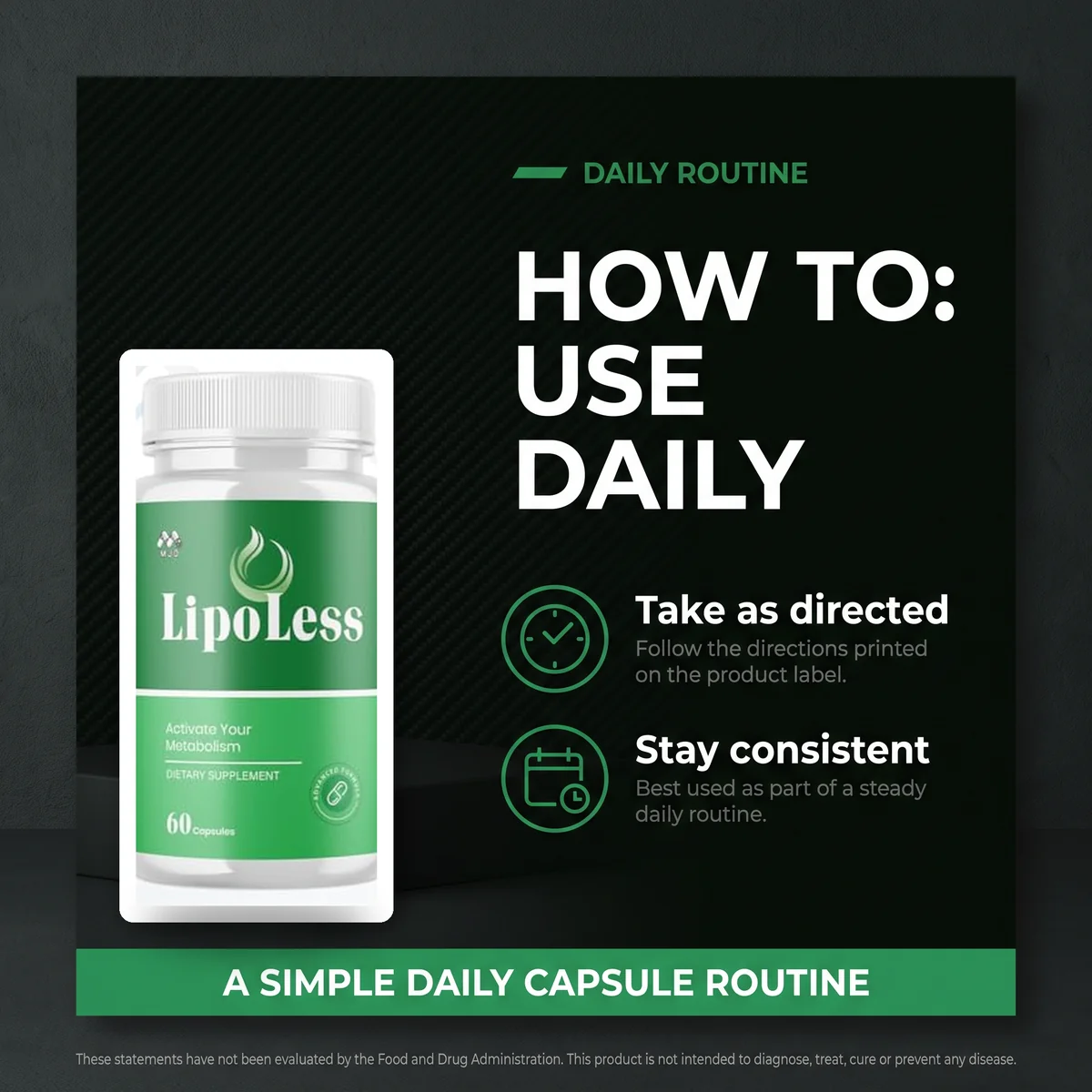
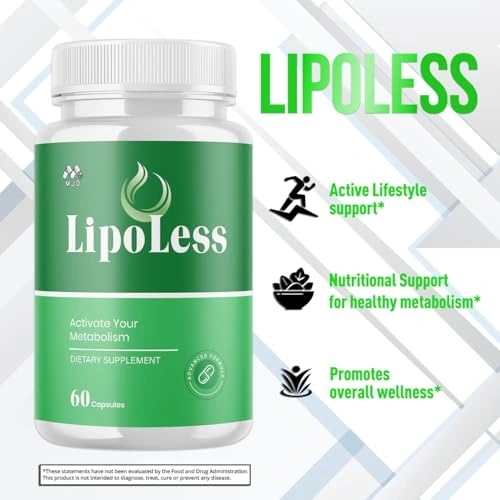
LipoLess is a vegan, non-GMO daily supplement built on a 600 mg Advanced Metabolism Blend with magnesium — designed to sit alongside steady hydration and balanced meals, not to replace the basics.
See LipoLess PackagesWhen to drink water for the biggest benefit
Timing matters less than consistency, but a little structure helps you actually hit your target and get the appetite benefits.
- First thing in the morning — you wake mildly dehydrated; a glass on rising is an easy start.
- About 20–30 minutes before meals — to support fullness and rule out thirst.
- Around activity — before, during and after exercise to replace losses.
- When a snack urge hits — a glass and a short pause often settles a false hunger cue.
- Steadily through the day — sipping regularly beats gulping large amounts at once.
Backing up the basics
Alongside steady hydration, a clean daily supplement can be a convenient part of the routine. LipoLess pairs magnesium — an essential mineral that contributes to normal energy-yielding metabolism — with a focused metabolism blend, in a simple two-capsule serving taken with water.
View Pricing & PacksSimple habits to hit your target
If you struggle to drink enough, these low-friction tricks make it automatic:
- Keep a bottle visible — on your desk or in your bag; out of sight, out of mind.
- Anchor drinks to routines — a glass with each meal and every coffee.
- Flavour it naturally — lemon, cucumber or mint if plain water bores you.
- Eat your water — load up on water-rich fruit and vegetables.
- Track loosely — refilling a known-size bottle a set number of times keeps it simple.
A quick word on water weight
Don’t confuse hydration with “water weight”. Drinking enough water actually helps your body regulate fluids and can reduce the bloating and puffiness that come from dehydration and high salt intake. If a rounder, heavier feeling comes and goes day to day, that’s far more likely fluid and digestion than fat — our guide on why you might always feel bloated covers the triggers behind that puffy feeling.
Where a metabolism-support supplement fits
Let’s be clear: no amount of water — and no supplement — replaces the fundamentals of calorie balance, protein, movement and sleep. Those do the heavy lifting. What staying hydrated does is make a sensible routine easier to keep, and a clean, transparent daily supplement can support that consistent, active lifestyle over time. That’s the honest role LipoLess is built for — a small, dependable part of a bigger picture, taken with a glass of water each day.
Build a routine you can keep
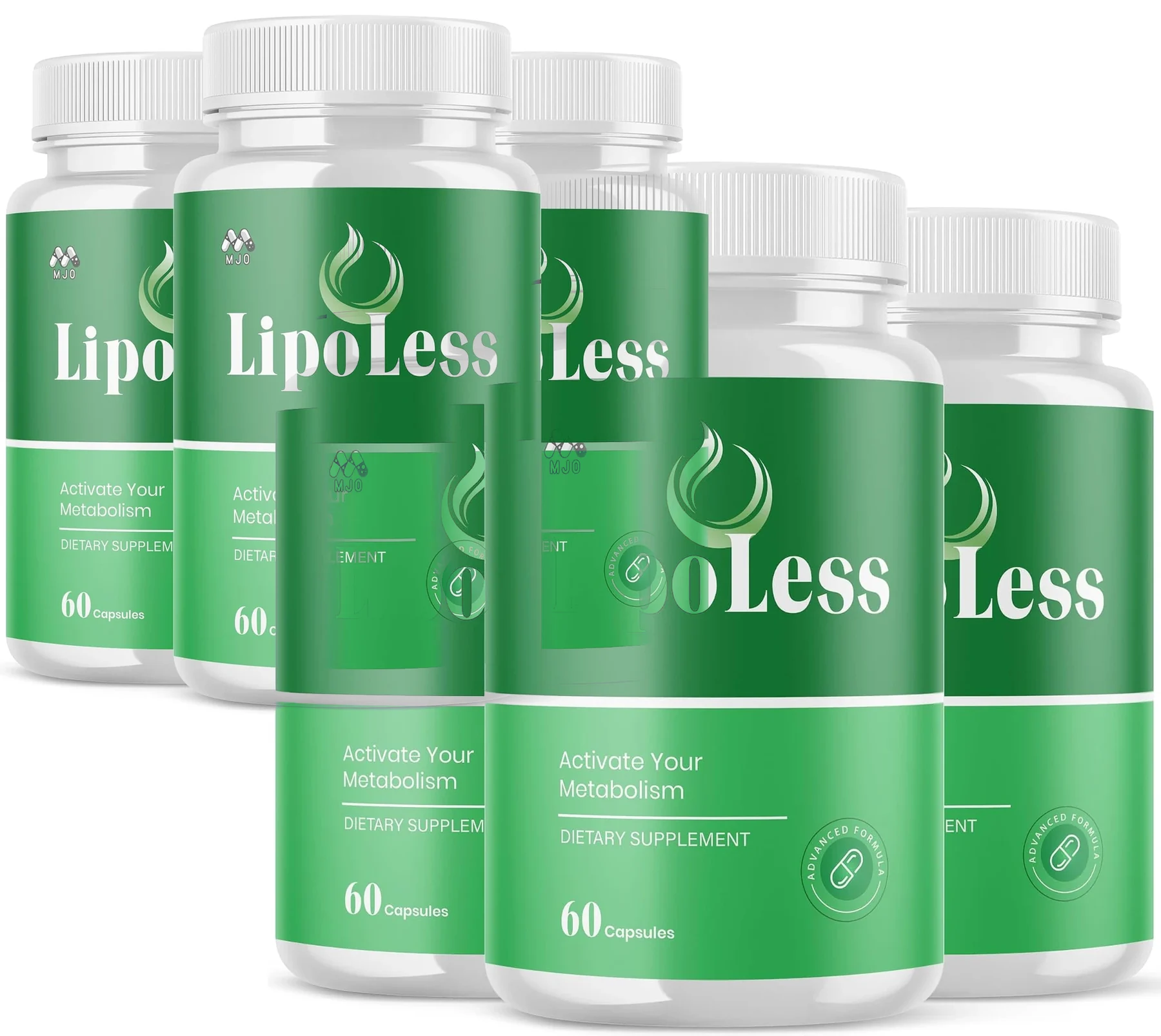
Pair steady hydration and balanced meals with a daily two-capsule metabolism supplement — vegan, non-GMO and protected by a 60-day money-back guarantee. Multi-bottle packs make consistency easy.
Order LipoLess TodayFrequently asked questions
How much water should you drink to lose weight?
A common practical target is around 2 to 3 litres (roughly 8 to 12 cups) of fluid a day for most adults, adjusted for body size, activity and climate. There is no magic amount for weight loss; the benefit comes from staying consistently hydrated, replacing sugary drinks with water, and using a glass before meals to support fullness.
Does drinking water before meals help you eat less?
For many people, yes. A glass of water shortly before a meal adds a little stomach volume and can help you feel satisfied on a sensible portion. It also rules out thirst being mistaken for hunger, which is a common source of unnecessary snacking.
Can drinking water actually burn calories?
Water has no calories, and any effect on energy expenditure is small. Its real value for weight management is indirect: it replaces high-calorie drinks, supports fullness, and keeps you feeling and performing better so you can stick to healthy habits.
Is it possible to drink too much water?
Yes, though it is uncommon. Drinking extreme amounts in a short time can dangerously dilute blood sodium. Spread your intake through the day, drink to thirst plus a little extra around activity, and do not force very large volumes at once.
Do coffee and tea count toward hydration?
Yes. Unsweetened coffee and tea contribute to your daily fluids, and their mild diuretic effect does not cancel that out for regular drinkers. Water-rich foods like fruit and vegetables also add to your total, so hydration is about the whole day, not just plain water.
References
- Centers for Disease Control and Prevention. “Water and Healthier Drinks.” cdc.gov
- National Academies of Sciences, Engineering, and Medicine. “Dietary Reference Intakes for Water.” nationalacademies.org
- U.S. Department of Agriculture. “Dietary Guidelines for Americans, 2020–2025.” dietaryguidelines.gov
- National Institutes of Health, Office of Dietary Supplements. “Magnesium — Fact Sheet for Health Professionals.” ods.od.nih.gov
- Dennis EA, et al. “Water consumption increases weight loss during a hypocaloric diet intervention in middle-aged and older adults.” Obesity (Silver Spring), 2010. PubMed 19661958
- McKay NJ, et al. “Increasing water intake influences hunger and food preference, but does not reliably suppress energy intake in adults.” Physiology & Behavior, 2018. PubMed 29678599
† These statements have not been evaluated by the Food and Drug Administration. This product is not intended to diagnose, treat, cure or prevent any disease. This article is for general information only and is not medical advice; consult a qualified healthcare professional before changing your diet, exercise or supplement routine.