Does Lack of Sleep Cause Weight Gain? The Sleep-Weight Link
| The short version | Does lack of sleep cause weight gain? The evidence says yes — short sleep raises hunger hormones, boosts cravings and lowers your energy to move. |
| How it works | More ghrelin, less leptin, stronger reward-food cravings and higher cortisol all tilt daily calorie balance upward. |
| The target | Seven to nine hours of regular, good-quality sleep for most adults. |
| Where supplements fit | As support for steady habits — magnesium contributes to normal energy metabolism as part of a balanced routine. |

You eat reasonably well, you try to stay active, and yet the scale won’t budge — or it’s creeping the wrong way. If that sounds familiar, one overlooked culprit is worth a hard look: your sleep. So does lack of sleep cause weight gain? The short answer is that poor and short sleep is one of the most consistent, well-documented lifestyle drivers of weight gain, and it works through several mechanisms at once.
The encouraging part is that sleep is a lever you can actually pull. In this guide we’ll explain exactly how lack of sleep causes weight gain, why tired days sabotage your best intentions, and the practical, everyday habits that help you sleep better and manage your weight as a result.
How lack of sleep drives weight gain
Sleep isn’t downtime for your metabolism — it’s active maintenance. When you cut it short, several systems shift in ways that make weight gain more likely. Here are the main ones.
1. It raises hunger and lowers fullness
Even a single short night can tip your appetite hormones: the hunger signal ghrelin rises, while the fullness signal leptin falls. The result is that you feel hungrier and less satisfied by the same meals — a big reason poor sleep leaves people asking why they’re always hungry. Over days and weeks, that extra hunger quietly adds calories. This is one of the better-documented links in the field: in a controlled sleep-restriction experiment in healthy young men, curtailed sleep went with lower leptin, higher ghrelin and higher self-reported hunger and appetite (Spiegel et al., Annals of Internal Medicine, 2004), and a later meta-analysis of randomised trials found sleep restriction moved several metabolism-related measures in the same unhelpful direction (Zhu et al., Sleep Medicine Reviews, 2019).
2. It amplifies cravings for calorie-dense food
Tiredness doesn’t just make you hungrier — it changes what you crave. Short sleep heightens the brain’s reward response to sugary, salty and fatty foods, exactly when your self-control resources are running low. That combination is why a bad night so often ends in an afternoon of snacks, and it overlaps closely with why sugar cravings happen.
3. It drains your energy to move
When you’re exhausted, both planned exercise and everyday movement drop. You take fewer steps, skip workouts and sit more — lowering the calories you burn without you noticing. Since movement and lean muscle are central to metabolism, this quietly compounds the problem. It’s the same fatigue we cover in why you feel tired and sluggish all the time.

4. It raises cortisol and disrupts blood sugar
Ongoing sleep loss keeps the stress hormone cortisol elevated, which for many people is linked with increased appetite and a tendency to store fat around the middle. Short sleep can also worsen how your body handles blood sugar, adding to the swings that drive hunger and cravings the next day.
5. Late nights mean more time (and reasons) to eat
Practically speaking, being awake late simply provides more hours and more opportunities to eat — often the mindless, screen-side snacking that’s easiest to overdo. Add lowered willpower and stronger cravings, and late nights become a perfect storm for extra calories.
Support steady daily energy with LipoLess
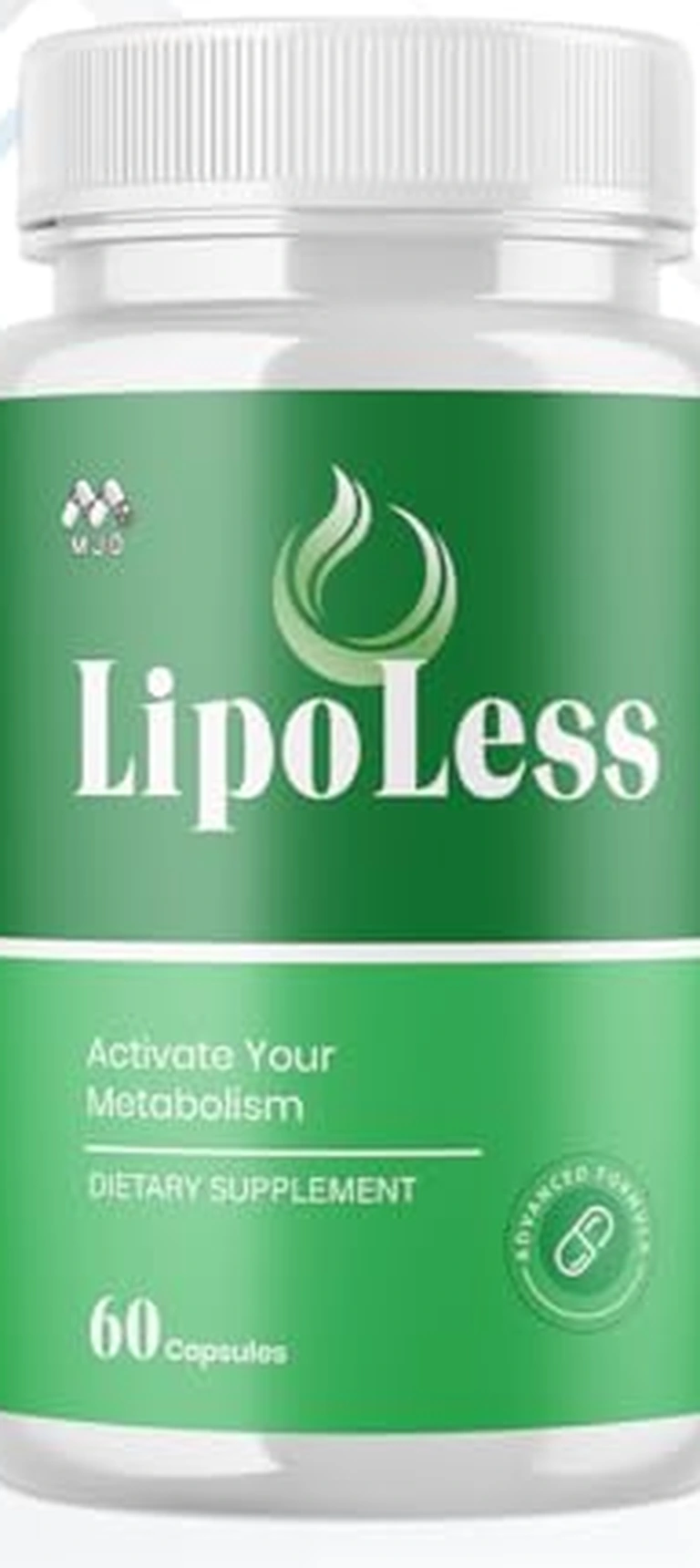
LipoLess is a vegan, non-GMO daily supplement built on a 600 mg Advanced Metabolism Blend with magnesium — an essential mineral that contributes to normal energy-yielding metabolism — designed to sit alongside good sleep and steady habits.
See LipoLess PackagesHow much sleep do you actually need?
For most adults, the sweet spot is seven to nine hours of good-quality sleep per night. Consistently dipping below seven is where appetite, energy and food choices tend to suffer most. Just as important as the total is the regularity: going to bed and waking at similar times steadies your body clock, which supports more stable appetite and metabolism than a chaotic, catch-up-at-weekends pattern.
Quality matters too. Fragmented, restless sleep — even if the hours look adequate — doesn’t deliver the same benefits as solid, uninterrupted rest. So the goal is enough hours, at consistent times, of genuinely restful sleep.
Everyday habits for better sleep (and easier weight management)
You don’t need a perfect routine — just a few reliable anchors. Pick a couple and build from there.
- Keep a consistent schedule — similar bed and wake times, even on weekends, steady your body clock.
- Get morning light — daylight early in the day helps set a healthy sleep-wake rhythm.
- Wind down screens — dim the lights and step away from bright screens in the last hour before bed.
- Watch late caffeine and alcohol — both fragment sleep; keep caffeine to earlier in the day.
- Don’t eat heavily right before bed — large late meals can disrupt sleep and blood sugar.
- Move during the day — regular activity improves sleep quality (just not intense exercise right at bedtime).
- Cool, dark, quiet room — a comfortable sleep environment is an easy, high-impact fix.
Backing up the basics
Once sleep and movement are on track, a clean daily supplement can be a convenient part of the routine. LipoLess pairs magnesium — which contributes to normal energy-yielding metabolism and normal muscle function — with a focused metabolism blend, in a simple two-capsule serving.
View Pricing & PacksBreaking the tired-and-hungry cycle
Poor sleep and weight gain feed each other: less sleep drives more eating and less movement, which can worsen sleep quality, and round it goes. The way out isn’t heroic effort — it’s picking the one weak link you can fix first. For most people that’s a consistent bedtime. Nail that, and the downstream effects — steadier appetite, fewer cravings, more energy to move — make the rest of your routine dramatically easier. If tiredness has you reaching for food for comfort rather than fuel, our guide on stopping emotional eating pairs naturally with better sleep.
Where a metabolism-support supplement fits
Let’s be clear: no supplement replaces sleep, and none burns fat while you rest. The fundamentals — enough good sleep, sensible eating and regular movement — do the heavy lifting. What a clean, transparent daily supplement can do is support a consistent, active lifestyle over time. Magnesium in particular contributes to normal energy-yielding metabolism and normal muscle function, which is why it features in LipoLess. Think of it as one small, honest part of a bigger routine — not a shortcut.
Build a routine you can keep
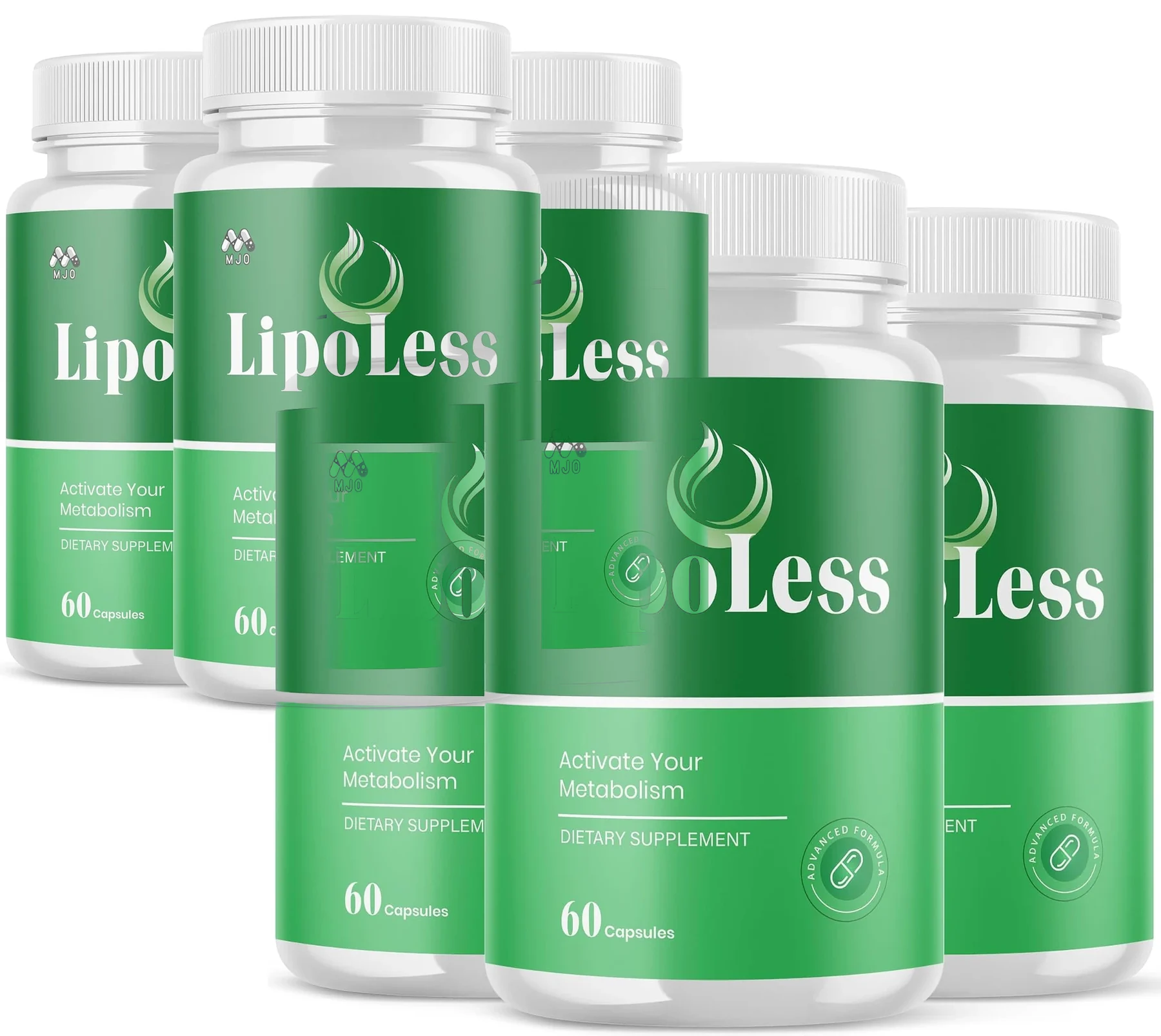
Pair better sleep and daily movement with a two-capsule metabolism supplement — vegan, non-GMO and protected by a 60-day money-back guarantee. Multi-bottle packs make consistency easy.
Order LipoLess TodayFrequently asked questions
Does lack of sleep cause weight gain?
Poor and short sleep is consistently linked with weight gain. It raises the hunger hormone ghrelin, lowers the fullness hormone leptin, increases cravings for calorie-dense food, and leaves you with less energy to move, all of which nudge daily calorie balance upward over time.
How many hours of sleep do you need to manage weight?
Most adults do best on seven to nine hours of good-quality sleep a night. Consistently getting under seven is where appetite and energy tend to suffer most. Regular timing matters as much as total hours, so a steady sleep and wake schedule helps.
Can you lose weight just by sleeping more?
Sleep alone is not a weight-loss plan, but improving it removes a major obstacle. Better sleep tends to reduce cravings, steady appetite and improve energy for movement, which makes every other healthy habit easier to keep and more effective.
Why do I crave junk food when I am tired?
Short sleep shifts appetite hormones and reward pathways so that calorie-dense, sugary and salty foods become more tempting, while your self-control resources are lower. That combination makes tired days feel like a losing battle with snacks, which is why fixing sleep helps so much.
Does going to bed late cause weight gain?
Late nights themselves are less the issue than the short or irregular sleep and late-night eating that often come with them. A consistent bedtime that allows enough total sleep supports steadier appetite and better food choices the next day.
References
- Centers for Disease Control and Prevention. “About Sleep and Your Health.” cdc.gov
- National Heart, Lung, and Blood Institute. “How Sleep Affects Your Health.” nhlbi.nih.gov
- National Institute of Diabetes and Digestive and Kidney Diseases. “Weight Management.” niddk.nih.gov
- National Institutes of Health, Office of Dietary Supplements. “Magnesium — Fact Sheet for Health Professionals.” ods.od.nih.gov
- Spiegel K, et al. “Brief communication: Sleep curtailment in healthy young men is associated with decreased leptin levels, elevated ghrelin levels, and increased hunger and appetite.” Annals of Internal Medicine, 2004. PubMed 15583226
- Zhu B, et al. “Effects of sleep restriction on metabolism-related parameters in healthy adults: A comprehensive review and meta-analysis of randomized controlled trials.” Sleep Medicine Reviews, 2019. PubMed 30870662
† These statements have not been evaluated by the Food and Drug Administration. This product is not intended to diagnose, treat, cure or prevent any disease. This article is for general information only and is not medical advice; consult a qualified healthcare professional before changing your diet, exercise or supplement routine.