How to Reduce Water Retention Naturally: Causes and Daily Habits That Help
| The short version | To reduce water retention naturally, ease off salty processed foods, eat more potassium-rich plants, stay hydrated, move regularly and sleep well — most temporary water weight settles in a day or two. |
| Water vs fat | Water weight appears and disappears fast (the overnight scale jump); fat changes slowly. A sudden few pounds is almost always fluid. |
| Biggest levers | Less salt, more potassium, good hydration, daily movement and steady sleep. |
| Where supplements fit | As support for a balanced, active routine — never as a “water pill” quick fix. |
Ever stepped on the scale after a salty takeaway or a long flight and found you’ve “gained” three pounds overnight? That’s almost never fat — it’s water. Learning how to reduce water retention naturally starts with understanding that the puffiness in your fingers, ankles or midsection is temporary fluid your body is holding in its tissues, and it responds quickly to a handful of everyday habits. There’s no need for harsh “water pills” or extreme measures.
In this guide we’ll explain what water retention actually is, walk through the common everyday causes — from salt and big carb meals to inactivity, heat and hormones — and lay out the natural daily habits that help you feel lighter and less puffy. We’ll also flag the less common situations where swelling is worth getting checked by a doctor.
What water retention actually is
Your body is mostly water, and it constantly moves fluid between your blood, your cells and the spaces between them. Water retention — sometimes called fluid retention or oedema — happens when a little extra fluid lingers in those tissue spaces, causing mild swelling, puffiness or a bloated, heavy feeling. Because it’s just fluid, it can come on within hours and disappear just as fast, which is exactly why the scale can swing by several pounds day to day.
This is a crucial distinction for anyone managing their weight: water weight is not fat. If you see a sudden jump after a salty meal, a hot day or the run-up to your period, it’s fluid doing what fluid does — not months of effort undone. Understanding that alone takes a lot of the anxiety out of the number on the scale. It’s a close cousin of digestive bloating, which we cover in why am I always bloated.
What causes water retention? The everyday triggers
1. Too much salt
Sodium is the single biggest everyday driver. When you eat a lot of salt — usually from processed and restaurant foods rather than the salt shaker — your body holds on to extra water to keep its sodium concentration balanced. A single salty meal can leave you puffy the next morning. Easing back on processed foods is the fastest natural way to reduce water retention. The mechanism has been measured directly: in healthy men, a high-sodium intake raised extracellular fluid volume, and the size of that rise depended on body mass index (Visser et al., Obesity, 2009). Sodium handling is not purely a kidney story either, since some sodium is stored in skin and muscle tissue without a matching gain in water (Titze, 2014).
2. A big carbohydrate meal
Your body stores carbohydrate as glycogen, and each gram of glycogen is held with several grams of water. After a large pasta, rice or bread-heavy meal — or a return to carbs after cutting them — you’ll temporarily store more water alongside that glycogen. It’s harmless and passes on its own, but it explains a lot of short-term scale jumps.
3. Sitting or standing still too long
Movement helps your muscles and circulation pump fluid back out of your tissues. Long periods of sitting — a desk day, a long flight — or standing still let fluid pool, especially in the legs, ankles and feet. This is why you often feel puffiest after a still, sedentary day.
4. Not drinking enough water
It sounds backwards, but under-hydration can make water retention worse. When fluid is scarce, the body tends to hold on to what it has. Drinking enough reassures your system that water is plentiful and supports normal fluid balance. If you’re unsure how much you need, our guide on how much water you should drink gives practical targets.
5. Hormonal changes
Many people, particularly during the menstrual cycle, notice more fluid retention and bloating at certain times of the month. This is a normal hormonal ebb and flow, and the puffiness settles as hormones shift. Knowing it’s cyclical helps you ride it out without alarm.
6. Heat and inactivity
Hot weather causes blood vessels to widen and fluid to pool in the extremities, so warm days often bring swollen fingers and ankles. Combine heat with a still, sedentary day and mild puffiness is common — and temporary.
Support a balanced, active routine with LipoLess
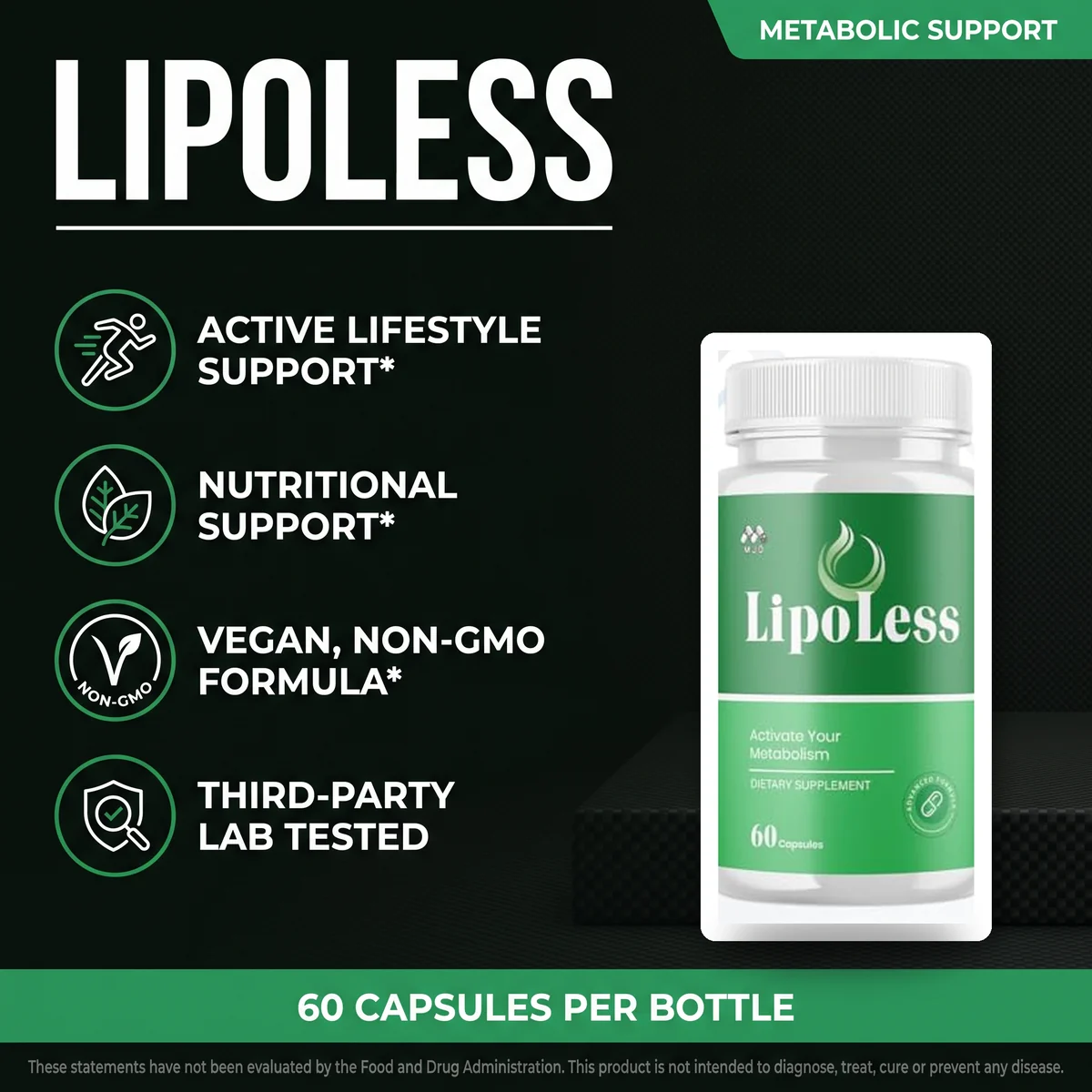
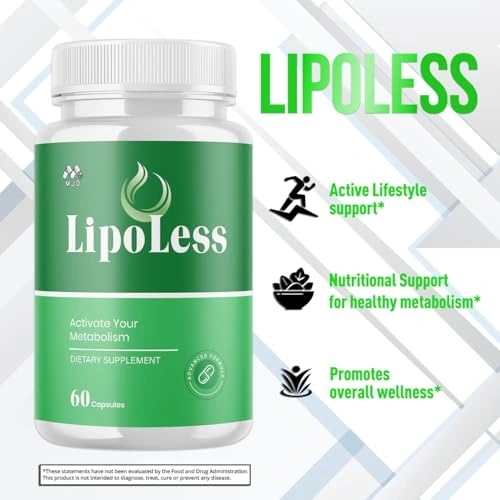
LipoLess is a vegan, non-GMO daily supplement built on a 600 mg Advanced Metabolism Blend with magnesium — an essential mineral that contributes to normal muscle and nervous-system function — designed to sit alongside a balanced, active lifestyle.
See LipoLess PackagesHow to reduce water retention naturally
Because most everyday water retention is driven by salt, movement and hydration, the fixes are refreshingly simple. Pick a few and you’ll usually feel lighter within a day or two.
- Cut back on salty processed foods — the fastest lever; cook more from scratch and taste before adding salt.
- Eat more potassium-rich plants — leafy greens, beans, potatoes, bananas and tomatoes help balance sodium.
- Stay well hydrated — steady water through the day supports normal fluid balance.
- Move regularly — walk, stretch and avoid sitting still for hours; movement helps shift pooled fluid.
- Get your legs up — elevating your feet after a long day helps drain fluid from the lower limbs.
- Prioritise good sleep — rest supports the systems that regulate fluid.
- Limit alcohol — it can disrupt fluid balance and often leaves you puffy the next day.
Backing up the basics
Once your salt, movement and hydration are in a good rhythm, a clean daily supplement can be a convenient part of an active routine. LipoLess pairs magnesium with a focused metabolism blend in a simple two-capsule serving — support for a balanced lifestyle, not a diuretic.
View Pricing & PacksWater weight and the scale: keep perspective
If you weigh yourself daily, water retention is the main reason the number bounces around. A jump after a salty dinner, a carb-heavy weekend or a poor night’s sleep tells you nothing about fat — it’s noise. The fix isn’t to panic or crash-diet; it’s to weigh less often or to watch the weekly trend rather than any single morning. This matters because misreading water weight as fat is one of the most common reasons people abandon a plan that’s actually working. If your progress seems to have stalled for real, our guide on why your weight loss has stopped separates true plateaus from ordinary fluctuation.
When to see a doctor
Everyday puffiness from salt, sitting, heat or your cycle is normal and settles on its own. Occasionally, though, fluid retention signals something that needs attention. See a healthcare professional if swelling comes on suddenly or severely, affects only one leg, is accompanied by shortness of breath or chest discomfort, or simply won’t settle with the habit changes above. These situations are uncommon, but they’re worth taking seriously rather than treating with over-the-counter “water pills”.
Where a metabolism-support supplement fits
Let’s be clear: LipoLess is not a diuretic and no supplement should be used to force fluid loss. The natural fundamentals — less salt, more potassium, good hydration, movement and sleep — do the real work of reducing water retention. What a clean, transparent daily supplement can do is support a consistent, active lifestyle over time. That’s the modest, honest role LipoLess is built for. Be wary of any product marketed as a fast “de-bloat” or water-loss pill, and favour a short label with realistic language.
Build a routine you can keep
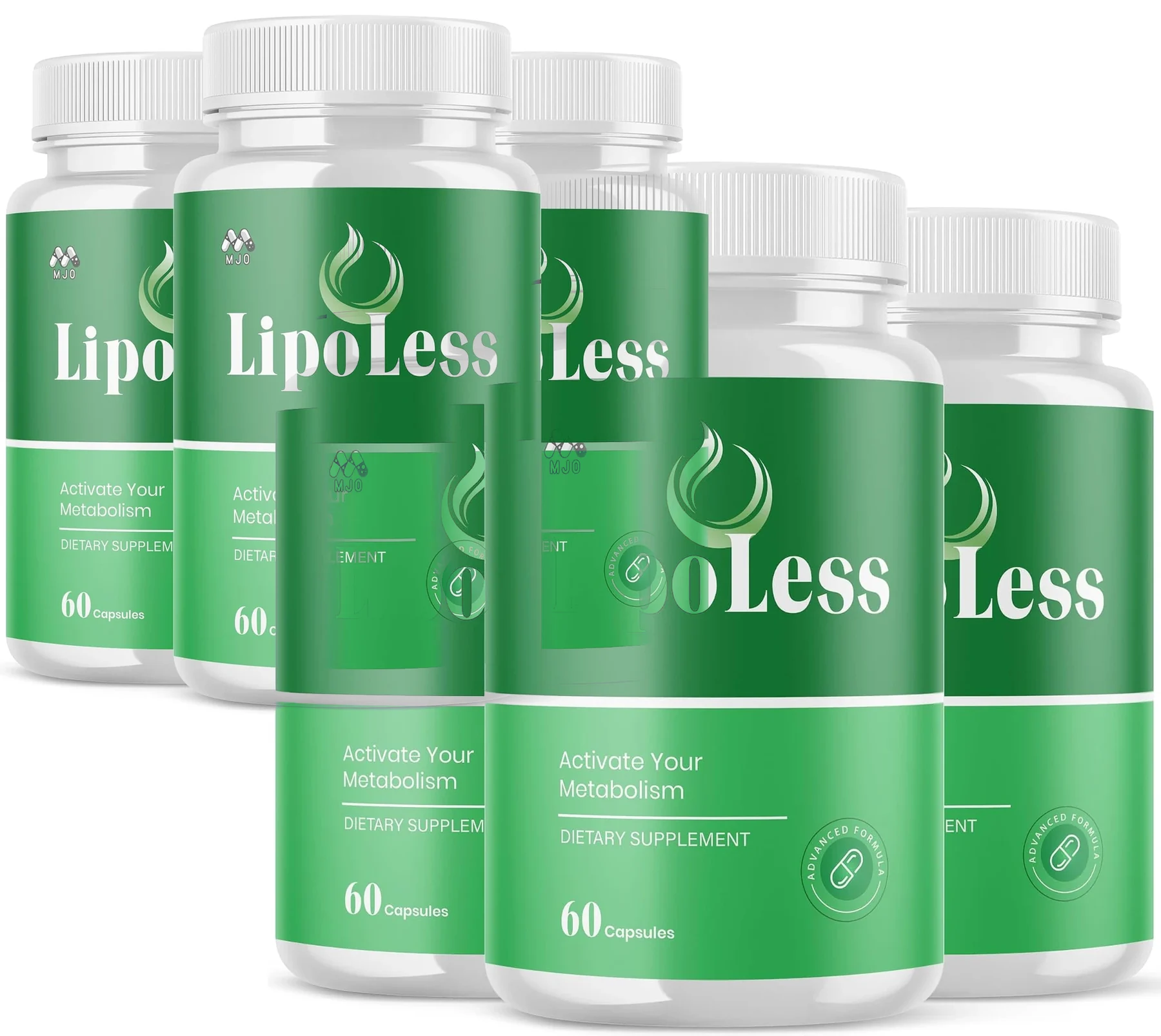
Pair a lower-salt, plant-rich diet, daily movement and steady hydration with a two-capsule metabolism supplement — vegan, non-GMO and protected by a 60-day money-back guarantee. Multi-bottle packs make consistency easy.
Order LipoLess TodayFrequently asked questions
What causes water retention?
Everyday water retention is usually driven by a high-salt diet, a big carbohydrate meal, sitting or standing still for long periods, heat, hormonal changes across the monthly cycle, and sometimes not drinking enough water. Most of it is temporary and responds to simple habit changes.
How do I get rid of water weight fast and naturally?
Cut back on salty processed foods, eat more potassium-rich vegetables and fruit, stay well hydrated, move regularly so your circulation and muscles help shift fluid, and get good sleep. These steps usually ease temporary water weight within a day or two without pills or extreme measures.
Is water retention the same as fat?
No. Water retention is temporary fluid the body holds in its tissues, so it can appear and disappear quickly — the classic overnight scale jump. Fat changes slowly over weeks. A sudden gain of a few pounds is almost always water, not fat.
Does drinking more water reduce water retention?
It can help. When you are under-hydrated, the body tends to hold on to fluid; drinking enough reassures it that water is plentiful and supports normal fluid balance. Pairing good hydration with less salt and more movement works better than either step alone.
When should I see a doctor about water retention?
Occasional puffiness from salt, sitting or your cycle is normal. But sudden, severe or one-sided swelling, swelling with shortness of breath, or persistent swelling that does not settle should be checked by a healthcare professional, as these can signal an underlying medical issue.
References
- MedlinePlus, U.S. National Library of Medicine. “Edema.” medlineplus.gov
- Centers for Disease Control and Prevention. “Sodium and Health.” cdc.gov
- U.S. Department of Agriculture. “Dietary Guidelines for Americans, 2020–2025.” dietaryguidelines.gov
- National Institutes of Health, Office of Dietary Supplements. “Magnesium — Fact Sheet for Health Professionals.” ods.od.nih.gov
- Visser FW, et al. “Rise in extracellular fluid volume during high sodium depends on BMI in healthy men.” Obesity (Silver Spring), 2009. PubMed 19282825
- Titze J. “Sodium balance is not just a renal affair.” Current Opinion in Nephrology and Hypertension, 2014. PubMed 24401786
† These statements have not been evaluated by the Food and Drug Administration. This product is not intended to diagnose, treat, cure or prevent any disease. This article is for general information only and is not medical advice; consult a qualified healthcare professional before changing your diet, exercise or supplement routine.