Why Do I Gain Weight So Easily? Causes, Metabolism and Daily Habits That Help
| The short version | If you keep asking why do I gain weight so easily, the usual mix is a lower daily calorie burn (less muscle, less movement, age) meeting small hidden calories you don’t notice. |
| Biggest levers | Build and keep muscle, move more across the whole day, watch liquid calories and portion creep, and protect sleep. |
| Metabolism myth | A “slow metabolism” is real but usually a smaller factor than daily habits and body composition. |
| Where supplements fit | As support for a consistent routine — never as a way to “block” weight gain. |
If you feel like you only have to look at a slice of cake to put on weight — while a friend seems to eat whatever they like — you’re not imagining the difference, and it isn’t a moral failing. When people ask why do I gain weight so easily, the honest answer is that several ordinary factors stack up: how much muscle you carry, how much you move outside of formal exercise, your age and hormones, your sleep, and a surprising number of small calories that slip past unnoticed. Each one is modest on its own. Together they explain a lot.
The encouraging part is that almost every one of these levers is something you can influence. In this guide we’ll walk through the real reasons weight can go on easily, separate the metabolism facts from the myths, and lay out a calm daily routine that tips the balance back in your favour — without crash dieting or misery.
Is it really “easy” weight gain, or hidden inputs?
Weight change follows a simple principle even when the details are complicated: over time, energy taken in versus energy used decides the direction. What makes it feel unfair is that two people can eat the “same” and land in very different places, because their daily burn and their true intake are rarely identical. Before blaming your body, it’s worth noticing how easy it is for extra energy to enter the picture — a splash of oil here, a latte there, a few bites while cooking, a weekend that undoes a careful week.
None of this means you’re doing anything wrong on purpose. It means the system is sensitive, and small, repeated inputs matter more than any single meal. Once you see where the energy actually comes from and where the burn actually goes, “easy” weight gain starts to look less mysterious and a lot more fixable.
Why do I gain weight so easily? The everyday causes
1. Less muscle means a lower daily burn
Muscle is metabolically active tissue: the more you carry, the more calories you burn even at rest. People who have dieted repeatedly, or who don’t do any resistance training, often carry less muscle than they could — which quietly lowers their daily calorie needs. That lower baseline makes it easier for a normal-looking diet to become a slight surplus. Regular strength work is one of the most reliable ways to raise the floor of your metabolism over time. Energy expenditure genuinely does move with body weight in both directions, and reviewers have mapped how it falls with weight loss and rises with weight gain (Müller et al., Current Obesity Reports, 2016). The counterweight is training: a meta-analysis of exercise interventions found small but real increases in resting metabolic rate, mainly where resistance work was involved (MacKenzie-Shalders et al., 2020).
2. Low everyday movement (NEAT)
Formal workouts are only a slice of what you burn. The bigger, sneakier contributor is NEAT — non-exercise activity thermogenesis, the energy you spend walking, standing, fidgeting and doing chores. A largely seated day can burn hundreds of calories fewer than an active one, even without any “exercise”. If your job and routine keep you still, your daily burn drops, and weight goes on more easily on the same food.
3. Age and hormonal shifts
As the years pass, most people gradually lose muscle, move a little less, and experience hormonal changes that lower their daily energy needs. If eating habits stay exactly the same while the burn slowly falls, weight creeps up almost invisibly. This is normal biology, not personal failure — and it’s exactly why protein and strength work become more valuable with age, not less.
4. Portion creep and calorie-dense “healthy” foods
Portions expand slowly over months without us noticing, and many genuinely healthy foods — nuts, oils, cheese, granola, nut butters, avocado — are also very calorie-dense. Eating well and eating a lot of calories aren’t the same thing. If weight goes on easily despite a “clean” diet, calorie-dense healthy foods and generous portions are among the most common explanations. Our companion guide on why you can’t lose weight even though you eat healthy digs into this trap in detail.
5. Liquid calories that don’t fill you up
Sugary drinks, juices, specialty coffees and alcohol deliver energy with very little fullness in return, so they add to the day’s total without switching off appetite. A couple of these daily can easily be the difference between holding steady and drifting upward. Swapping most liquid calories for water, tea or coffee without the syrup is one of the highest-impact changes you can make.
6. Short sleep and ongoing stress
Poor sleep shifts appetite hormones the next day, raising hunger and lowering fullness, while chronic stress keeps cortisol elevated and nudges many people toward comfort food. Both make overeating more likely and movement less appealing. We unpack the sleep side in does lack of sleep cause weight gain, and the stress side in does stress cause weight gain.
7. Genetics and your set point
Genes influence appetite, where you store fat and your baseline metabolic rate, so some people really do find weight easier to gain. This can feel discouraging, but genetics set a tendency, not a fixed outcome. Consistent daily habits still decide which direction you drift over months and years — which is where your attention is best spent.
Support a consistent routine with LipoLess
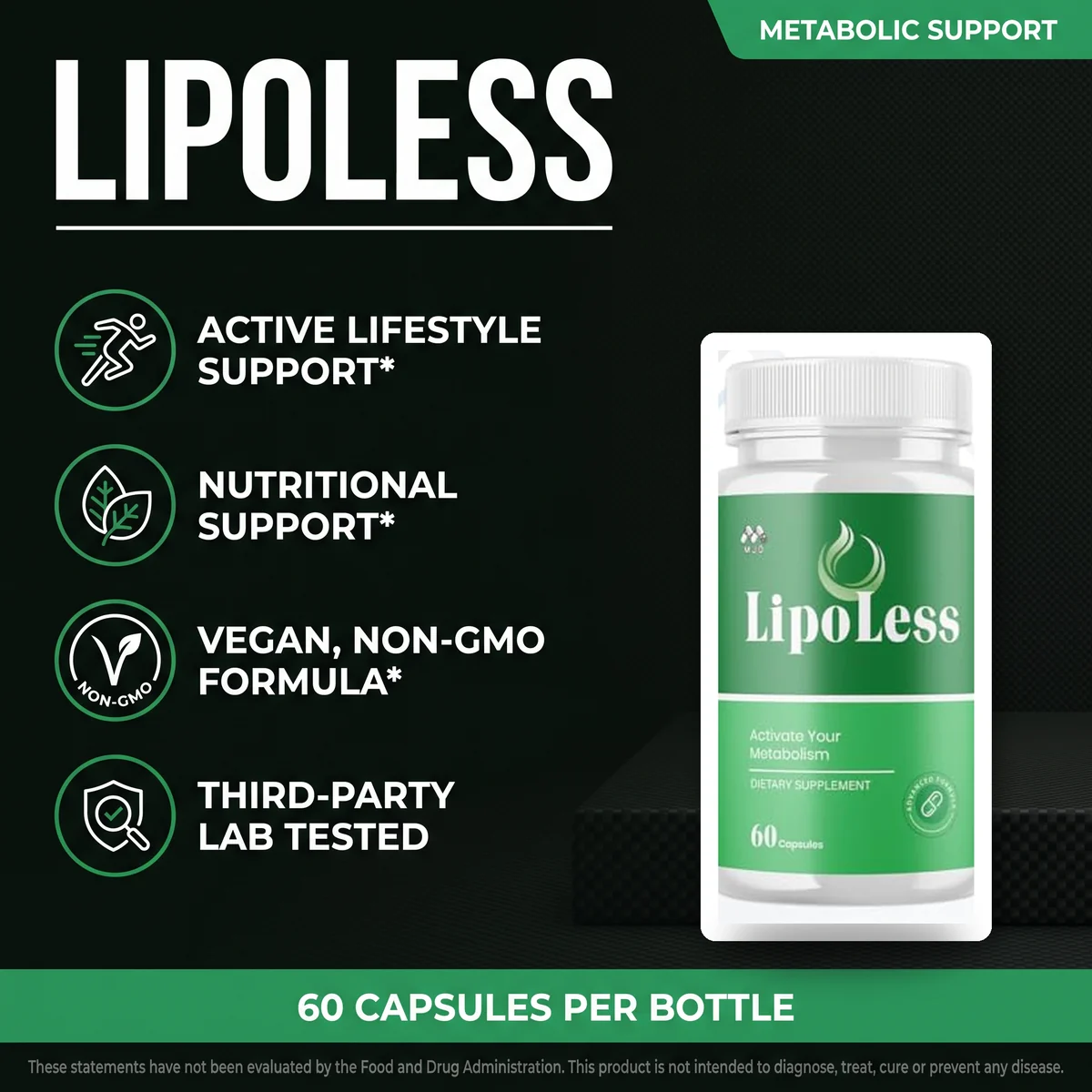
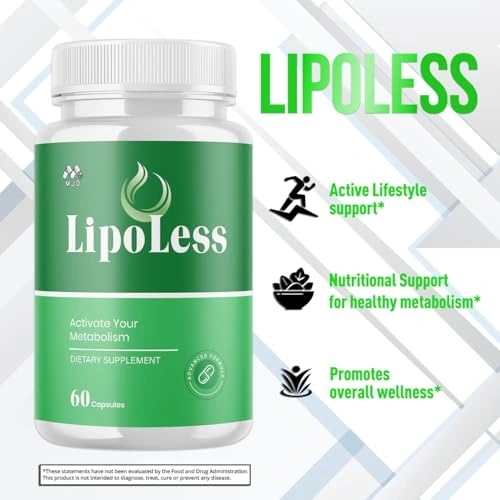
LipoLess is a vegan, non-GMO daily supplement built on a 600 mg Advanced Metabolism Blend with magnesium — designed to sit alongside balanced meals, protein and everyday movement, not to override how your body works.
See LipoLess PackagesHow to tell what’s driving your weight gain
Rather than guessing, spend a week gently gathering evidence. You’re not looking to judge yourself — just to see the pattern clearly so you know which lever to pull first.
- Track honestly for a few days — including drinks, oils, sauces and bites while cooking.
- Count your steps — a step tracker often reveals a far more sedentary day than it felt like.
- Notice liquid calories — add up a typical day’s drinks and coffees.
- Check your sleep and stress — rough nights and high-pressure weeks tend to coincide with easier gain.
- Look at strength training — if there’s none, low muscle mass may be lowering your burn.
Daily habits that make weight easier to manage
You don’t need to change everything at once. Choose two or three of these and let them become automatic before adding more.
- Anchor meals with protein — it’s filling and helps protect muscle.
- Add resistance training — two or three short sessions a week build the muscle that raises your burn.
- Move more all day — walk after meals, take stairs, stand and pace on calls to lift NEAT.
- Fill half your plate with vegetables — volume and fibre for very few calories.
- Cut most liquid calories — make water your default drink.
- Mind calorie-dense healthy foods — enjoy nuts, oils and cheese, but measure rather than pour.
- Protect seven-plus hours of sleep — it steadies the hormones that govern appetite.
Backing up the basics
Once your meals, movement and sleep are working for you, a clean daily supplement can be a convenient part of the routine. LipoLess pairs magnesium — an essential mineral that contributes to normal energy-yielding metabolism — with a focused metabolism blend, in a simple two-capsule serving.
View Pricing & PacksWhat to eat to feel satisfied on fewer calories
If weight goes on easily, the goal isn’t to eat less and feel deprived — it’s to eat in a way that satisfies you for the energy it costs. That means building meals around protein and high-fibre plants, which fill you up per calorie, and being deliberate with the calorie-dense extras. Lean proteins, beans and lentils, vegetables, fruit, whole grains and a modest amount of healthy fat form a plate that keeps hunger away without a surplus. Our guide to foods that keep you full longer lists the best everyday choices for exactly this.
Just as useful is slowing down. Fullness signals take around twenty minutes to arrive, so eating quickly makes it easy to take in more than you need before your body says stop. Putting your fork down between bites, drinking water with meals and eating without a screen all help the natural brakes work.
Where a metabolism-support supplement fits
Let’s be clear: no supplement stops you gaining weight, and any product claiming to “block” fat or override your diet is overpromising. The fundamentals — protein, muscle, movement, sleep and sensible portions — do the real work. What a clean, transparent daily supplement can do is support a consistent, active lifestyle over time. That’s the modest, honest role LipoLess is built for. When comparing options, look for a short label, sensible dosing and realistic language rather than dramatic before-and-after claims.
Build a routine you can keep
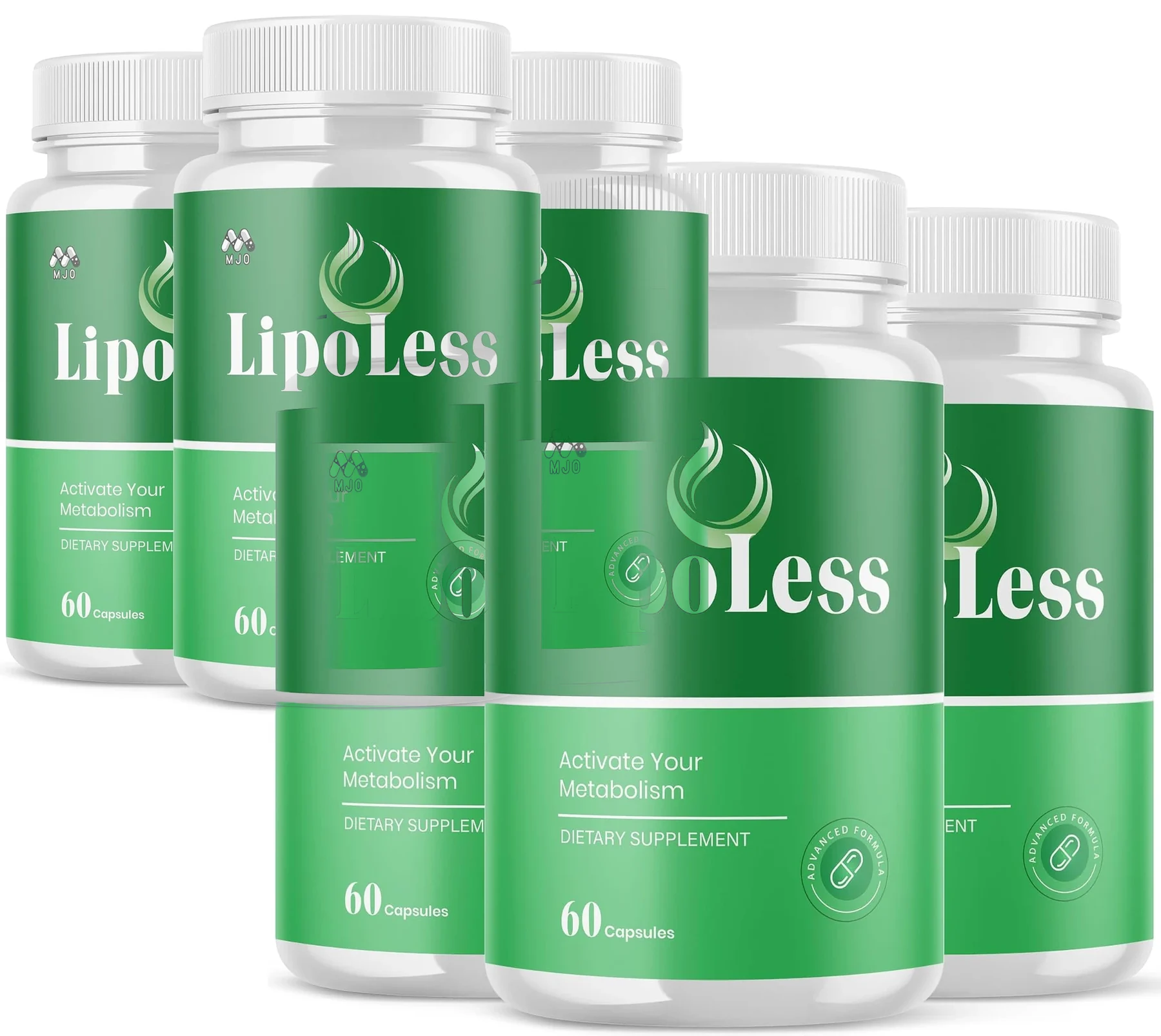
Pair protein-rich meals, daily movement and good sleep with a two-capsule metabolism supplement — vegan, non-GMO and protected by a 60-day money-back guarantee. Multi-bottle packs make consistency easy.
Order LipoLess TodayFrequently asked questions
Why do I gain weight so easily even when I don’t eat much?
Often it is a combination of a lower daily calorie burn (from less muscle or less movement) and small hidden calories that are easy to overlook — drinks, cooking oils, sauces, tastes while cooking and larger-than-you-think portions. Food journalling for a few honest days usually reveals more energy going in than it felt like.
Does a slow metabolism make you gain weight easily?
Metabolic rate does vary between people, mostly because of body size, muscle mass, age and genetics. But true “slow metabolism” is a smaller factor than most people expect. Everyday movement, muscle mass, sleep and portion sizes usually explain far more of the difference than resting metabolism alone.
Why do I gain weight faster as I get older?
With age we tend to lose muscle, move a little less and experience hormonal shifts, all of which lower the calories we burn each day. If eating habits stay the same while the daily burn drops, weight creeps up. Strength work, protein and staying active push back against most of this.
Is easy weight gain genetic?
Genetics influence appetite, where you store fat and your baseline metabolism, so some people do find weight easier to gain. Genes are not destiny, though — daily habits still have a large effect on the direction things move over time.
Can a supplement stop me gaining weight easily?
No supplement overrides diet and activity. A clean, transparent daily supplement is only ever support for consistent habits — balanced meals, protein, movement and sleep. Be cautious of any product that claims to block weight gain on its own.
References
- National Institute of Diabetes and Digestive and Kidney Diseases. “Weight Management.” niddk.nih.gov
- Centers for Disease Control and Prevention. “Physical Activity Basics.” cdc.gov
- U.S. Department of Agriculture. “Dietary Guidelines for Americans, 2020–2025.” dietaryguidelines.gov
- National Institutes of Health, Office of Dietary Supplements. “Magnesium — Fact Sheet for Health Professionals.” ods.od.nih.gov
- Müller MJ, et al. “Changes in Energy Expenditure with Weight Gain and Weight Loss in Humans.” Current Obesity Reports, 2016. PubMed 27739007
- MacKenzie-Shalders K, et al. “The effect of exercise interventions on resting metabolic rate: A systematic review and meta-analysis.” Journal of Sports Sciences, 2020. PubMed 32397898
† These statements have not been evaluated by the Food and Drug Administration. This product is not intended to diagnose, treat, cure or prevent any disease. This article is for general information only and is not medical advice; consult a qualified healthcare professional before changing your diet, exercise or supplement routine.