Why Do I Crave Food at Night? Causes of Late-Night Eating and What Helps
| The short version | If you wonder why do I crave food at night, the usual mix is under-eating protein and fibre by day, blood-sugar dips, tiredness, stress and a strong evening habit loop. |
| Biggest levers | Eat enough real food earlier, close the kitchen after dinner, swap the snack habit for a wind-down, and protect your sleep. |
| Hunger vs habit | Much night eating is cue-driven — the sofa, the screen, the time — rather than true hunger. |
| Where supplements fit | As support for a satisfying daytime routine — never as a way to switch off evening cravings. |
You get through the whole day feeling reasonably in control — and then, once the evening winds down, the pull toward the kitchen arrives. If you keep asking why do I crave food at night, you’re in very good company: late-night eating is one of the most common patterns people struggle with, and it’s rarely about a lack of discipline. Evenings quietly combine several triggers — biological, emotional and habitual — that make snacking feel almost automatic.
The good news is that once you understand which triggers are firing, night cravings become far easier to manage. In this guide we’ll unpack why you crave food at night, how to tell true hunger from habit, and the calm evening routines and daytime tweaks that help you stop late-night eating — without white-knuckling your way through every night.
What’s different about the evening
Night cravings aren’t random. By evening, your day has usually built up a set of conditions that favour snacking: you may have eaten too lightly during the day, your blood sugar and energy may be dipping, you’re likely more tired, and you’ve arrived at the part of the day most tied to relaxation and reward. Add the strong cue of sitting down in front of a screen, and the brain’s learned association between “evening + sofa” and “snack” kicks in. Clinicians recognise a more pronounced version of this pattern, night eating syndrome, in which a disproportionate share of the day’s food is eaten after the evening meal and the eating rhythm sits out of step with the sleep rhythm (Shoar et al., 2019). Most late-night snacking is nowhere near that threshold, and the craving itself is shaped more by learned reward than by any specific need for sugar (Ma et al., 2017).
Crucially, a lot of night eating isn’t driven by genuine physical hunger at all. It’s a habit loop — a cue (the time, the show, the quiet), a routine (grabbing a snack) and a reward (comfort, taste, a mental full stop on the day). Recognising that difference is the first step, because you address a habit differently from real hunger.
Why do I crave food at night? The everyday causes
1. Under-eating during the day
The single most common driver of night cravings is not eating enough real food earlier — especially protein and fibre. Skipped breakfasts, light lunches and “being good” all day can leave a genuine energy and appetite debt that comes due in the evening, when your body finally insists on catching up. If your days feel disciplined but your nights feel out of control, this is usually why.
2. Blood-sugar swings
Meals and snacks built on refined carbs spike blood sugar and then drop it, and those dips can trigger real cravings for quick energy. If your afternoons run on sugary snacks and coffee, the resulting evening crash pulls you straight toward more carbs. Our guide on how to stop sugar cravings naturally digs into the blood-sugar side in detail.
3. Tiredness and poor sleep
Being tired raises hunger signals and lowers fullness ones, and staying up late simply adds more waking hours in which to snack. Late nights, screens and irregular bedtimes all deepen the loop. Protecting a consistent bedtime is one of the most underrated ways to reduce night cravings — we cover the wider link in does lack of sleep cause weight gain.
4. Stress, boredom and winding down
Evenings are when the day’s tension surfaces and boredom sets in, and food is a fast, reliable source of comfort. For many people, night snacking is really stress relief or a way to mark the end of the day. If that resonates, our piece on how to stop emotional eating offers gentle, practical steps to swap the food response for something else.
5. The habit loop and environment
Repetition is powerful. If you’ve snacked in front of the TV most nights, the setting itself becomes a cue that fires the craving — whether or not you’re hungry. An environment full of tempting, easy-to-grab foods makes the habit almost inevitable. Change the cue and the environment, and the craving loses much of its grip.
6. Thirst in disguise
The brain regions for thirst and hunger sit close together, and mild dehydration can read as a vague evening hunger. A glass of water and a short pause often settles a craving that wasn’t really about food at all.
Support a satisfying daytime routine with LipoLess
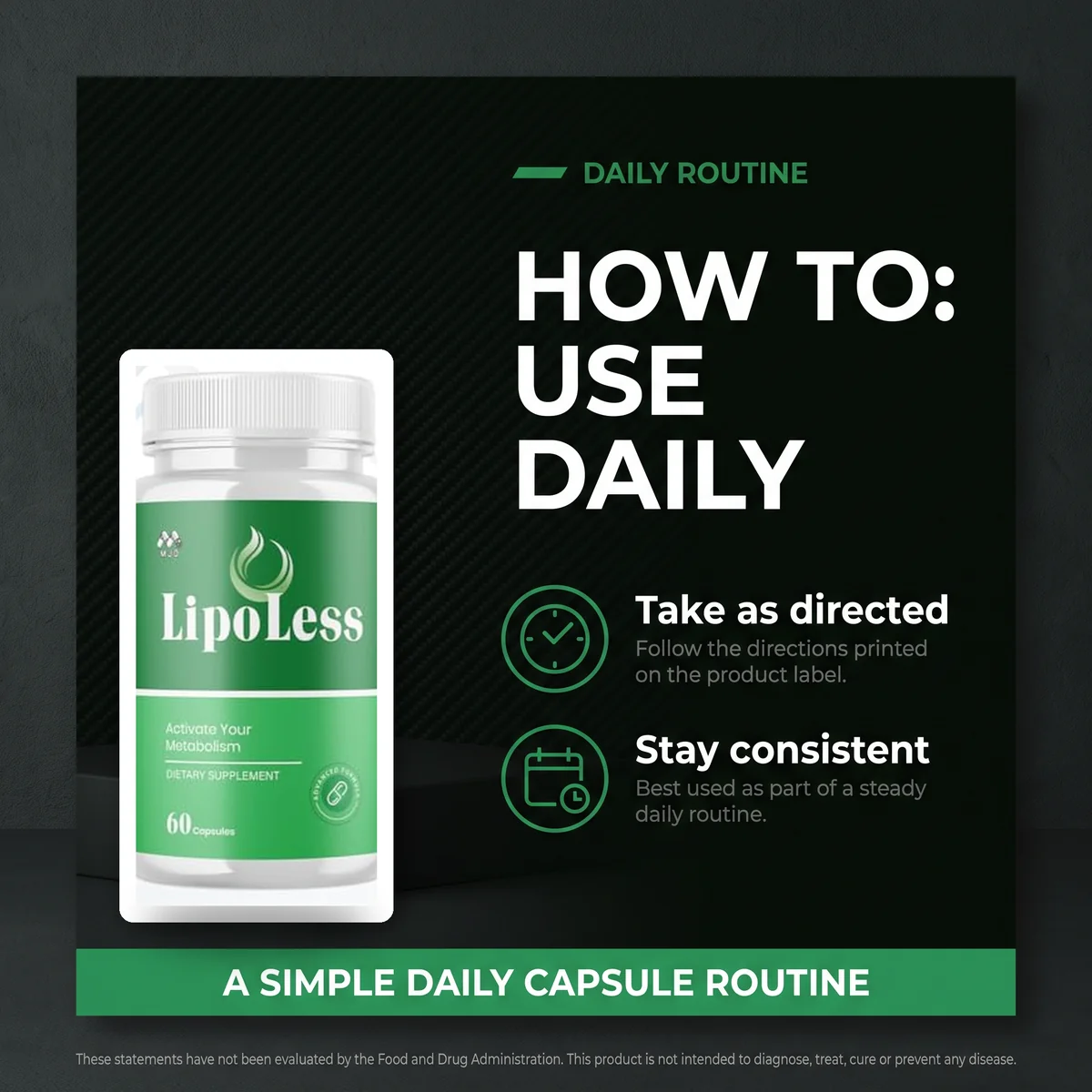
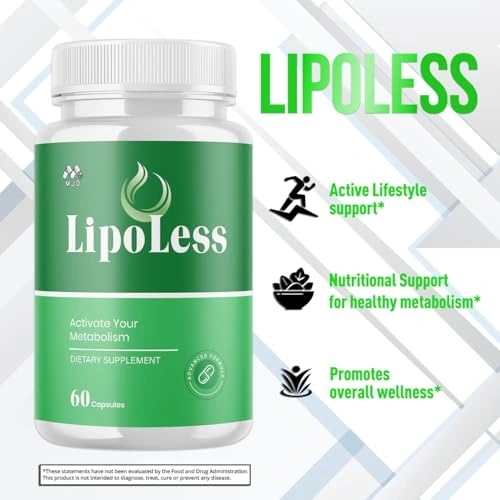
LipoLess is a vegan, non-GMO daily supplement built on a 600 mg Advanced Metabolism Blend with magnesium — designed to sit alongside protein-rich meals and steady daytime habits, not to override your natural appetite.
See LipoLess PackagesTrue hunger or evening habit? A quick check
Before you head to the kitchen, run a five-second check to see what’s really driving the urge.
- When and what did you last eat? — a light dinner two hours ago is real hunger; a full meal an hour ago is likely habit.
- Would a plain option satisfy you? — if only crisps or chocolate will do, it’s probably a craving, not hunger.
- What just happened? — sitting down to a screen or finishing a task is a classic cue.
- Have you had water recently? — thirst masquerades as hunger, evenings included.
- How do you feel? — bored, stressed or flat often means it’s emotional, not physical.
Evening routines that help you stop late-night eating
You don’t need iron willpower — you need a few small changes that make snacking less automatic and daytime eating more satisfying. Pick a couple to start.
- Eat enough by day — anchor each meal with protein and fibre so you’re genuinely satisfied by evening.
- “Close the kitchen” after dinner — a clear cut-off signals the eating day is done.
- Replace the snack cue — swap the routine for tea, a shower, a walk, a book or a hobby.
- Change your environment — keep tempting foods out of sight and out of easy reach.
- Break the screen-snack pairing — keep hands busy, or move off the sofa for part of the evening.
- Have water first — a glass and ten minutes often lets a false craving pass.
- Protect your bedtime — fewer late hours means fewer chances to snack and steadier appetite.
Backing up the basics
Once your daytime meals and evening routine are working, a clean daily supplement can be a convenient part of the picture. LipoLess pairs magnesium — an essential mineral that contributes to normal energy-yielding metabolism — with a focused metabolism blend, in a simple two-capsule serving.
View Pricing & PacksIf you do snack at night, choose well
Some nights you’ll genuinely be hungry, and that’s fine — the goal isn’t zero evening food, it’s ending the mindless, calorie-dense grazing. A small, protein-and-fibre snack satisfies far better than a bag of something sweet: Greek yoghurt, a piece of fruit with nut butter, a boiled egg, hummus with vegetables or a small handful of nuts. Portion it onto a plate rather than eating from the packet, and sit down to eat it properly. Our guide to foods that keep you full longer lists the best everyday choices for staying satisfied.
Where a metabolism-support supplement fits
Let’s be clear: no supplement is an appetite “off switch”, and any product promising to kill night cravings is overpromising. The fundamentals — eating enough by day, steady blood sugar, good sleep and a changed evening habit — do the real work. What a clean, transparent daily supplement can do is support a consistent, active lifestyle over time. That’s the modest, honest role LipoLess is built for. Look for a short label, sensible dosing and realistic language rather than dramatic promises.
Build a routine you can keep
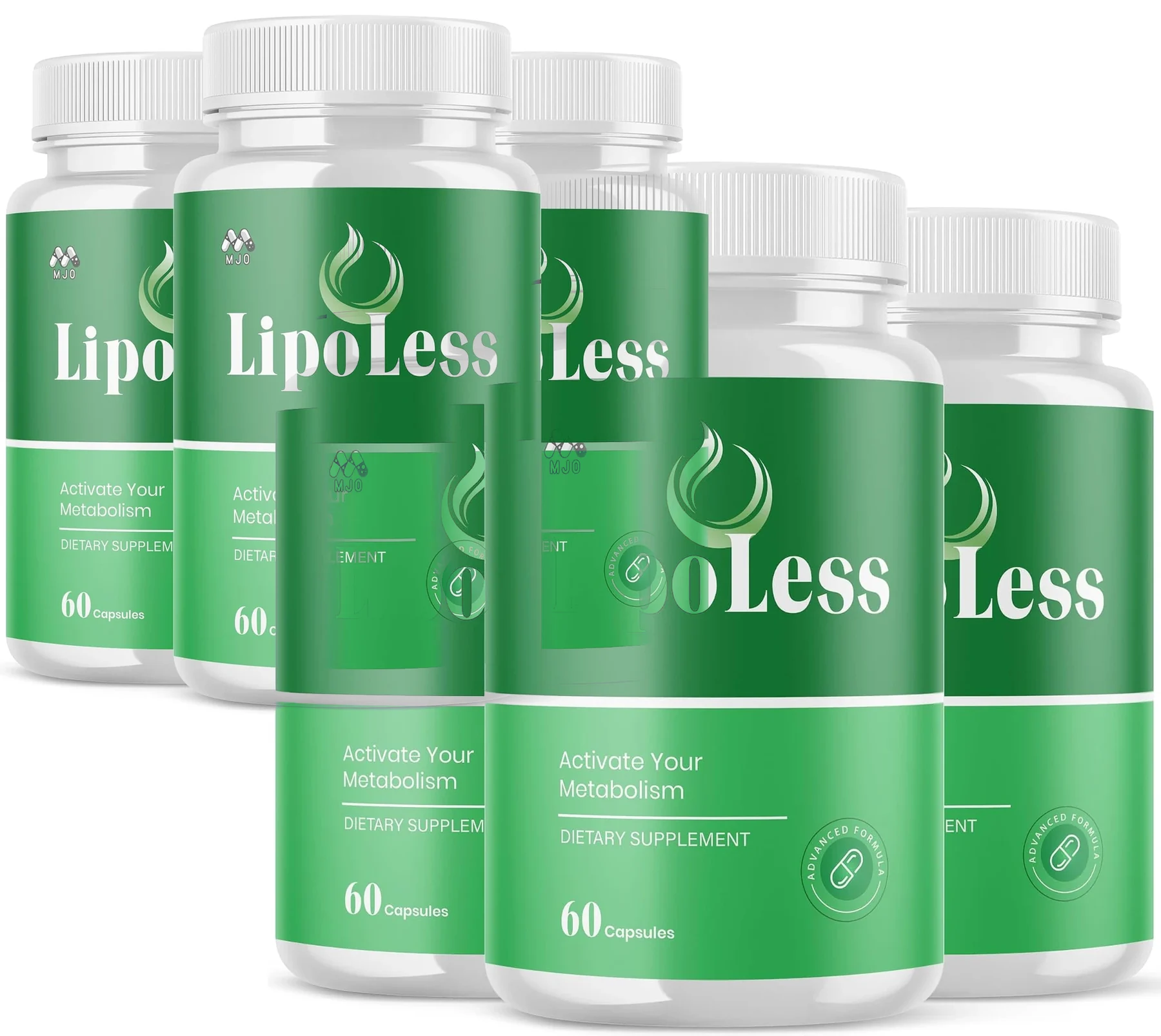
Pair satisfying daytime meals and a calmer evening wind-down with a two-capsule metabolism supplement — vegan, non-GMO and protected by a 60-day money-back guarantee. Multi-bottle packs make consistency easy.
Order LipoLess TodayFrequently asked questions
Why do I crave food at night even after dinner?
Night cravings after dinner are often less about true hunger and more about habit, relaxation and cues like the sofa or TV. Under-eating protein and fibre earlier in the day, blood-sugar swings, tiredness and stress can all leave a real appetite lingering into the evening as well.
Is it bad to eat late at night?
Eating late is not automatically harmful. What matters most is the total calories over the day and what you choose. The issue is that late-night eating is often extra, unplanned and skewed toward calorie-dense snacks, which can add energy on top of full meals rather than replacing them.
Why do I crave sugar and carbs specifically at night?
Evenings combine several sugar-craving triggers: blood-sugar dips if daytime meals were light, tiredness that steers you toward quick energy, stress relief, and strong habit loops. Sweet and starchy foods offer fast comfort, which is why they dominate late-night cravings.
How do I stop night-time eating?
Eat enough protein and fibre across the day so you are genuinely satisfied by evening, close the kitchen after dinner, replace the snack habit with a non-food wind-down, keep tempting foods out of easy reach, and protect your sleep so tiredness does not drive cravings.
Does poor sleep cause night cravings?
Yes. Being tired raises hunger signals and lowers fullness ones, and staying up later simply gives more waking hours to snack. Late nights and screens also delay sleep, deepening the loop. Protecting a consistent bedtime is one of the most effective ways to reduce night cravings.
References
- National Institute of Diabetes and Digestive and Kidney Diseases. “Appetite and Weight Management.” niddk.nih.gov
- Centers for Disease Control and Prevention. “Sleep and Health.” cdc.gov
- U.S. Department of Agriculture. “Dietary Guidelines for Americans, 2020–2025.” dietaryguidelines.gov
- National Institutes of Health, Office of Dietary Supplements. “Magnesium — Fact Sheet for Health Professionals.” ods.od.nih.gov
- Shoar S, et al. “Night eating syndrome: a psychiatric disease, a sleep disorder, a delayed circadian eating rhythm, and/or a metabolic condition?.” Expert Review of Endocrinology & Metabolism, 2019. PubMed 31536375
- Ma Y, et al. “Carbohydrate craving: not everything is sweet.” Current Opinion in Clinical Nutrition and Metabolic Care, 2017. PubMed 28375878
† These statements have not been evaluated by the Food and Drug Administration. This product is not intended to diagnose, treat, cure or prevent any disease. This article is for general information only and is not medical advice; consult a qualified healthcare professional before changing your diet, exercise or supplement routine.