How to Stop Sugar Cravings Naturally: Why They Happen
| The short version | To learn how to stop sugar cravings naturally, steady your blood sugar, don’t get over-hungry, sleep well, and interrupt the habit loop. |
| Why cravings happen | Blood-sugar swings, skipped meals, low protein and fibre, poor sleep, stress and habit. |
| Fastest wins | Anchor meals with protein and fibre; drink water and wait 10–15 minutes when a craving hits. |
| Where supplements fit | As support for steadier daily energy — never as a cure for cravings. |
That 3 p.m. pull toward the biscuit tin isn’t a lack of willpower — it’s biology and habit working together. If you want to know how to stop sugar cravings naturally, the first step is understanding why they happen in the first place. Cravings are your body and brain responding to real triggers: swinging blood sugar, hunger, tiredness, stress and well-worn routines. Once you know the triggers, you can work with them instead of fighting them.
This guide explains what drives sugar cravings, then walks through the everyday foods and routines that keep them manageable — no white-knuckle deprivation, and no pretending you’ll never enjoy dessert again.
Why sugar cravings happen
Sugar cravings rarely have a single cause. They’re usually the result of several everyday factors stacking up.
Blood-sugar swings
When you eat refined carbohydrates or sugary foods on their own, your blood sugar rises quickly and then dips. That dip can leave you feeling low, shaky and hungry — and your brain’s fastest fix for a quick energy top-up is, you guessed it, more sugar. This is the classic craving loop, and steadying blood sugar is the most powerful way to break it.
Getting too hungry
Skipping meals or eating too little earlier in the day almost guarantees intense cravings later, when hunger hormones are running high and your resolve is running low. Regular, satisfying meals prevent the desperate, “I’ll eat anything sweet” state.
Not enough protein or fibre
Protein and fibre slow digestion and keep you full. Meals built mostly from refined carbs digest fast and leave you hungry again soon after, opening the door to cravings. Adding protein and fibre is one of the simplest structural fixes.
Poor sleep and stress
Short sleep amplifies appetite and cravings the next day, while stress drives many people toward comforting, sugary foods. These two overlap heavily with emotional eating and with the daytime slumps we cover in our piece on feeling tired and sluggish.
Habit and reward
If you always have something sweet after dinner or with your afternoon coffee, your brain learns to expect it. The craving becomes a cue-driven habit rather than true hunger — which means it can be gently retrained. It is worth being precise about what a craving is: reviewers note that so-called carbohydrate craving is driven more by learned reward and food palatability than by any simple need for sugar (Ma et al., Current Opinion in Clinical Nutrition and Metabolic Care, 2017). That is also why fibre helps only modestly on its own, as a systematic review of fibre and satiety found (Clark & Slavin, 2013), and why the habit side of the loop has to be handled too.
How to stop sugar cravings naturally: the everyday playbook
1. Anchor every meal with protein and fibre
This is the single most effective habit. Protein is the most filling macronutrient, and fibre slows digestion — together they flatten the blood-sugar spikes and dips that trigger cravings. Think eggs, Greek yoghurt, beans, lentils, tofu, fish or lean meat, paired with vegetables, fruit or whole grains.
2. Don’t let yourself get over-hungry
Eat at reasonably regular times, and keep a satisfying snack on hand for genuinely hungry moments — a piece of fruit with nuts, or yoghurt, rather than a vending-machine grab. Preventing extreme hunger prevents extreme cravings.
3. Use the 10–15 minute pause
Cravings tend to peak and pass. When one hits, drink a glass of water and give it 10–15 minutes before deciding. Very often the urge fades on its own, or you realise you were thirsty or bored rather than hungry.
4. Prioritise sleep
Because short sleep ramps up appetite and cravings, protecting seven-plus hours is genuinely a craving-management tool. A regular schedule and a calm wind-down make the next day’s food choices noticeably easier.
Support steadier daily energy with LipoLess
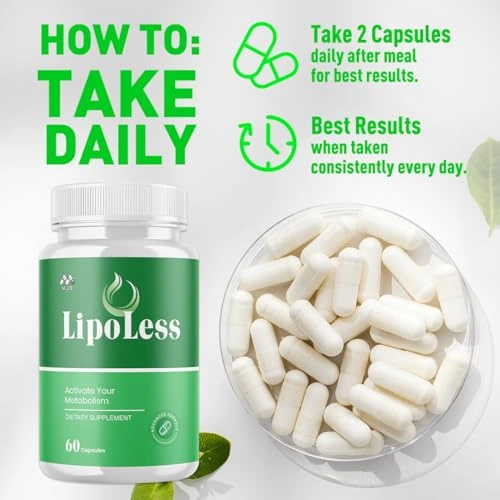
LipoLess is a vegan, non-GMO daily supplement built on a 600 mg Advanced Metabolism Blend with magnesium — designed to support a steady, active routine, not to override your appetite.
See LipoLess Packages5. Redesign your environment
Willpower is finite; your kitchen isn’t. Keep tempting sweets out of easy reach and stock satisfying alternatives up front. If the biscuits aren’t in the cupboard, the 9 p.m. craving has far less to work with. Out of sight really does help.
6. Break the habit loop gently
If you always pair coffee with a pastry, swap in a new routine — a piece of dark chocolate, a herbal tea, or a short walk. You’re not banning the treat; you’re replacing the automatic cue with something that satisfies without the full sugar hit.
7. Manage stress
Since stress fuels sugar-seeking, small daily de-stressors — a walk, a few minutes of breathing, a proper break — reduce the emotional pull toward sweets. This is where craving control and mood management overlap.
Steadier energy, backed up
Once your meals and sleep are steadier, a clean daily supplement can be a convenient part of the routine. LipoLess pairs magnesium — an essential mineral that contributes to normal energy-yielding metabolism — with a focused metabolism blend, in a simple two-capsule serving.
View Pricing & PacksSmart swaps that satisfy a sweet tooth
Cutting sugar doesn’t mean cutting joy. Try these gentler options when the craving is real:
- Fresh fruit — naturally sweet, plus fibre and water to fill you up.
- Greek yoghurt with berries — protein and sweetness together.
- A square or two of dark chocolate — richer, so a little satisfies.
- Fruit with nut butter — the protein and fat slow things down.
- A warm drink — herbal tea or coffee can end a meal without dessert.
These aren’t about willpower — they’re about giving your brain a satisfying answer that doesn’t send your blood sugar on a rollercoaster.
Do sugar cravings mean a deficiency?
It’s a common belief, but cravings are usually driven by blood-sugar swings, hunger, habit, sleep and stress rather than a specific nutrient shortfall. That said, a balanced diet rich in whole foods, adequate protein and fibre, and everyday minerals such as magnesium supports steadier energy across the day — and steadier energy makes cravings easier to ride out. It all connects back to the fundamentals in our guide on boosting your metabolism naturally.
Where a metabolism-support supplement fits
No supplement erases cravings, and any product claiming to is overselling. The real work is done by steady meals, protein and fibre, sleep, stress management and a supportive environment. What a clean daily supplement can do is support a consistent, active routine over time. That’s the honest, modest role LipoLess is built for — a transparent formula that sits in the background of good habits rather than promising to switch off your sweet tooth.
Build steadier days, one habit at a time
Pair these habits with a daily two-capsule metabolism supplement — vegan, non-GMO and protected by a 60-day money-back guarantee. Multi-bottle packs keep the routine effortless.
Order LipoLess TodayFrequently asked questions
Why do I crave sugar so much?
Sugar cravings usually come from a mix of blood-sugar swings after refined-carb meals, skipped meals and hunger, too little protein or fibre, poor sleep, stress, and simple habit and reward loops. Because sugar gives a quick energy hit, your brain learns to ask for it — especially when you’re tired or low.
How do I stop sugar cravings naturally?
Eat regular, balanced meals with protein and fibre to steady your blood sugar, don’t let yourself get too hungry, get enough sleep, manage stress, and keep tempting snacks out of easy reach. When a craving hits, drink water, wait 10–15 minutes, and reach for fruit or a protein snack instead of refined sugar.
Does eating protein reduce sugar cravings?
Protein is one of the most useful tools against cravings. It’s the most filling macronutrient, slows digestion, and helps steady blood sugar — so anchoring meals and snacks with protein keeps you satisfied longer and reduces the energy dips that trigger sugar hunger.
Are sugar cravings a sign of a deficiency?
Cravings are usually driven by blood-sugar swings, hunger, habit, sleep and stress rather than a specific nutrient deficiency. That said, a balanced diet rich in whole foods, adequate protein and fibre, and everyday minerals like magnesium supports steadier energy, which can make cravings easier to manage.
How long does it take to stop craving sugar?
Many people notice cravings ease within a couple of weeks of steadier meals, better sleep and fewer refined-sugar foods, as habits and taste preferences adjust. It’s gradual, not instant — and occasional treats are perfectly compatible with keeping cravings in check.
References
- U.S. Department of Agriculture. “Dietary Guidelines for Americans, 2020–2025 — Added Sugars.” dietaryguidelines.gov
- Centers for Disease Control and Prevention. “Know Your Limit for Added Sugars.” cdc.gov
- National Institutes of Health, Office of Dietary Supplements. “Magnesium — Fact Sheet for Health Professionals.” ods.od.nih.gov
- National Heart, Lung, and Blood Institute. “Aim for a Healthy Weight.” nhlbi.nih.gov
- Ma Y, et al. “Carbohydrate craving: not everything is sweet.” Current Opinion in Clinical Nutrition and Metabolic Care, 2017. PubMed 28375878
- Clark MJ, Slavin JL. “The effect of fiber on satiety and food intake: a systematic review.” Journal of the American College of Nutrition, 2013. PubMed 23885994
† These statements have not been evaluated by the Food and Drug Administration. This product is not intended to diagnose, treat, cure or prevent any disease. This article is for general information only and is not medical advice; consult a qualified healthcare professional before changing your diet, exercise or supplement routine.