How to Stop Emotional Eating: Why It Happens and Fixes
| The short version | Learning how to stop emotional eating starts with spotting the feeling behind the urge — then meeting that feeling without food. |
| Why it happens | Stress, boredom, sadness, tiredness and habit — food offers quick comfort, so the brain learns to reach for it. |
| Fastest wins | Pause and name the feeling, wait a few minutes, and use a non-food coping tool. |
| Where supplements fit | As support for a steady, well-fuelled routine — never as a fix for emotions. |

Reaching for a snack after a stressful meeting, finishing a tub of ice cream on a low evening, grazing through the cupboard when you’re bored rather than hungry — if any of this feels familiar, you already know the pull of emotional eating. Learning how to stop emotional eating isn’t about willpower or guilt. It’s about understanding why food becomes a comfort tool, and building gentler ways to handle the feelings underneath.
This guide explains what emotional eating is, how to tell it apart from genuine hunger, the common triggers behind it, and the practical daily habits that help you break the cycle — without turning food into the enemy.
What emotional eating actually is
Emotional eating means using food to soothe or distract from feelings rather than to satisfy physical hunger. Those feelings aren’t always negative — celebration and boredom count too — but stress, sadness, loneliness and tiredness are the classic triggers. Food genuinely does offer temporary comfort, which is exactly why the habit takes hold: your brain learns that a sweet or salty treat brings a quick hit of relief. Modelling work in adults places emotional eating on the path between psychological distress and weight status, with difficulty regulating emotion doing much of the work (Guerrini-Usubini et al., 2023). Training that targets that step directly, rather than the food, has been trialled: a mindfulness-based emotional-eating awareness programme reduced emotional eating scores in participants who completed it (Lattimore, Eating and Weight Disorders, 2020).
The catch is that the comfort is short-lived, and the underlying feeling remains — often joined by frustration afterwards. Recognising this pattern, without judgment, is the foundation for changing it.
Emotional hunger vs physical hunger
One of the most useful skills is telling the two apart. They feel different once you know what to look for:
- Emotional hunger comes on suddenly; physical hunger builds gradually.
- Emotional hunger demands a specific comfort food; physical hunger is open to many options.
- Emotional hunger isn’t satisfied by fullness; physical hunger eases once you’ve eaten.
- Emotional hunger often brings guilt afterwards; eating to satisfy physical hunger usually doesn’t.
- Emotional hunger lives “in the head” — a craving for taste or texture — while physical hunger shows up in the body.
Simply pausing to ask “am I actually hungry, or am I feeling something?” interrupts the automatic reach and gives you a moment of choice.

Common triggers behind emotional eating
Emotional eating rarely comes out of nowhere. The usual triggers are:
- Stress — ongoing stress drives many people toward comforting, sugary or fatty foods.
- Boredom — eating fills time and provides stimulation when you’re under-occupied.
- Tiredness — when you’re exhausted, willpower drops and cravings rise, which is why this overlaps with feeling tired and sluggish all the time.
- Difficult emotions — sadness, anxiety and loneliness are soothed, briefly, by food.
- Habit and environment — snacking in front of the TV or reaching for sweets at a certain time becomes automatic.
- Under-eating earlier — skipping meals leaves you ravenous and vulnerable to comfort eating later.
Evening is when most of these triggers stack up at once, which is why so many people who recognise themselves in that list also want to know why they crave food at night.
Support a steady, well-fuelled routine
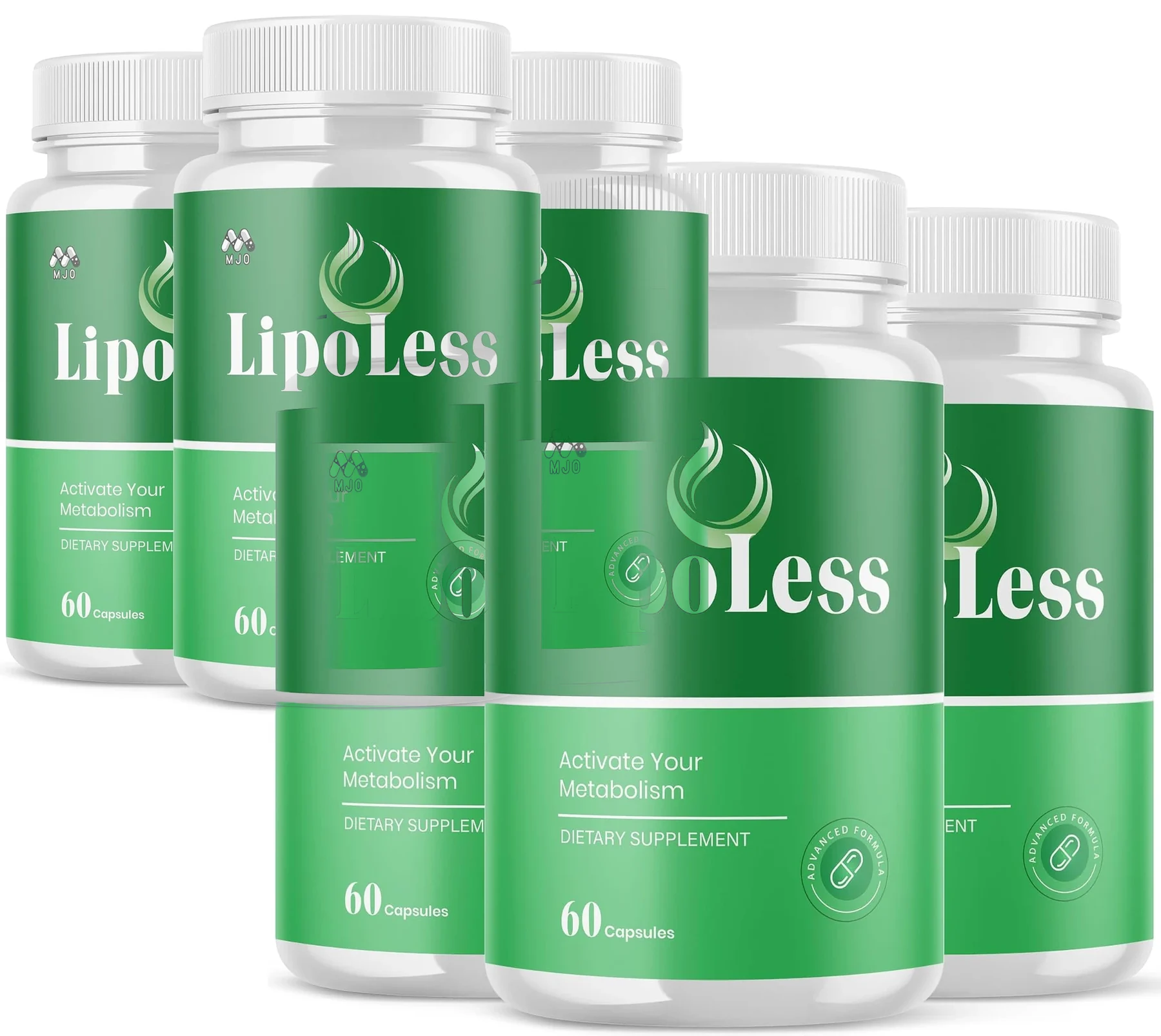
LipoLess is a vegan, non-GMO daily supplement built on a 600 mg Advanced Metabolism Blend with magnesium — designed to sit alongside balanced meals and steady habits, not to fix feelings.
See LipoLess PackagesHow to stop emotional eating: breaking the cycle
1. Identify your triggers
For a week or two, jot down when you eat outside of meals, what you were feeling, and what was happening. Patterns emerge quickly — the after-work slump, the lonely evening, the boredom of a long afternoon. You can’t change a trigger you haven’t noticed.
2. Pause and name the feeling
When the urge hits, pause and ask what you’re really feeling. Naming it — “I’m stressed,” “I’m bored,” “I’m tired” — creates a small gap between the emotion and the action, and that gap is where choice lives.
3. Build a non-food coping toolkit
Emotions need an outlet; the goal is to widen your options beyond food. Keep a short list ready: a brisk walk, a phone call to a friend, a few minutes of deep breathing, journaling, a shower, stepping outside, or a small task that occupies your hands. Match the tool to the feeling — movement for stress, connection for loneliness, rest for tiredness.
4. Use the pause-and-wait rule
When you feel the pull, tell yourself you’ll wait 10–15 minutes and drink a glass of water first. Emotional urges often pass. If you’re still genuinely hungry afterwards, eat something balanced — you’ll do it from a calmer place.

Steady habits, backed up
A calm, well-fuelled routine is the real foundation. Once it’s in place, a clean daily supplement can be a convenient part of it. LipoLess pairs magnesium — an essential mineral that contributes to normal energy-yielding metabolism — with a focused metabolism blend, in a simple two-capsule serving.
View Pricing & Packs5. Eat regular, satisfying meals
This is prevention. When you’re well-fuelled with balanced meals — protein, fibre and whole foods — you’re far less vulnerable to the crashes and cravings that feed emotional eating. It ties directly into managing sugar cravings naturally, since over-hunger and blood-sugar swings make comfort foods harder to resist.
6. Protect sleep and manage stress
Short sleep and chronic stress are two of the strongest triggers, so addressing them reduces how often the urge strikes at all. A regular sleep schedule and small daily de-stressors — a walk, a break, a few slow breaths — quietly remove much of the fuel for emotional eating.
7. Redesign your environment
Keep comfort foods out of easy reach, and make satisfying, balanced options the default. Eat at a table rather than in front of a screen, so you notice what and how much you’re eating. Small environmental tweaks reduce how often you rely on willpower alone.
Be kind to yourself
Progress here isn’t about perfection. Everyone eats for comfort sometimes, and one slip isn’t a failure — it’s information. Guilt tends to fuel more emotional eating, so a compassionate, curious approach works far better than harsh rules. Over time, as your meals, sleep and coping tools improve, the pull toward food as a comfort naturally weakens. These fundamentals connect to the wider picture in our guide on what causes belly fat, since stress, sleep and eating patterns all overlap.
Where a metabolism-support supplement fits
To be clear: no supplement addresses emotions or replaces the real work of understanding your triggers and building coping skills. Those come first, always. What a clean daily supplement can do is support a steady, well-fuelled, active routine over time — the honest, modest role LipoLess is built for. When comparing products, favour a short, transparent label and realistic expectations over dramatic promises.
Build a calmer relationship with food
Pair these habits with a daily two-capsule metabolism supplement — vegan, non-GMO and protected by a 60-day money-back guarantee. Multi-bottle packs keep the routine simple.
Order LipoLess TodayFrequently asked questions
What is emotional eating?
Emotional eating is turning to food to soothe feelings — stress, boredom, sadness, loneliness or even happiness — rather than to satisfy physical hunger. It usually involves cravings for specific comfort foods, comes on suddenly, and often leads to eating past fullness without really tasting the food.
How do I know if I’m hungry or eating emotionally?
Physical hunger builds gradually, is open to many foods, and eases when you’re full. Emotional hunger comes on suddenly, demands a specific comfort food, and isn’t satisfied even when you’re full. Pausing to ask “am I actually hungry, or feeling something?” is the simplest way to tell them apart.
How do I stop emotional eating?
Identify your triggers, pause before eating to check whether you’re truly hungry, and build a toolkit of non-food ways to handle emotions — a walk, a call, journaling, breathing. Eating regular balanced meals, sleeping well and managing stress reduce how often the urge strikes in the first place.
Is emotional eating the same as binge eating?
Occasional emotional eating is very common and not a disorder. Binge eating is more frequent, involves a loss of control and marked distress, and may need professional support. If eating feels out of control or is causing distress, it’s worth speaking with a qualified healthcare professional.
Why do I emotionally eat at night?
Evenings combine tiredness, lower willpower, unwinding and often under-eating earlier in the day, which makes comfort eating more likely. Eating enough during the day, keeping tempting snacks out of reach, and having a relaxing non-food evening ritual all help reduce night-time grazing.
References
- Centers for Disease Control and Prevention. “Coping with Stress.” cdc.gov
- National Institute of Diabetes and Digestive and Kidney Diseases. “Changing Your Habits for Better Health.” niddk.nih.gov
- U.S. Department of Agriculture. “Dietary Guidelines for Americans, 2020–2025.” dietaryguidelines.gov
- National Institutes of Health, Office of Dietary Supplements. “Magnesium — Fact Sheet for Health Professionals.” ods.od.nih.gov
- Guerrini-Usubini A, et al. “The interplay between emotion dysregulation, psychological distress, emotional eating, and weight status: A path model.” International Journal of Clinical and Health Psychology, 2023. PubMed 36199369
- Lattimore P. “Mindfulness-based emotional eating awareness training: taking the emotional out of eating.” Eating and Weight Disorders, 2020. PubMed 30859465
† These statements have not been evaluated by the Food and Drug Administration. This product is not intended to diagnose, treat, cure or prevent any disease. This article is for general information only and is not medical advice; consult a qualified healthcare professional before changing your diet, exercise or supplement routine.