Why Am I Always Bloated? Causes, Foods and Daily Habits
| The short version | If you’re asking why am I always bloated, the usual culprits are everyday ones: how fast you eat, what you eat, swallowed air, salt, and gut-fermenting foods. |
| Most common causes | Eating too quickly, carbonated drinks, high-salt processed food, sudden fibre increases, and lactose or sugar-alcohol sensitivity. |
| Fastest wins | Slow down and chew, walk after meals, cut fizzy drinks and gum, and drink more plain water. |
| Where supplements fit | As support for a calmer daily routine — never as a treatment for a medical condition. |

Few things throw off your day like waking up flat and finishing dinner feeling like a balloon. If you keep asking yourself why am I always bloated, the reassuring news is that most everyday bloating is not a sign of anything sinister — it’s usually gas, swallowed air, or fluid that builds up because of small, fixable habits. Understanding why bloating happens is the first step to feeling lighter, and it rarely requires a dramatic diet.
In this guide we’ll walk through what bloating actually is, the most common reasons you feel puffy after meals, the trigger foods that quietly cause it, and the daily routines that tend to help. We’ll also clear up the difference between bloating and belly fat, because they get confused constantly — and they call for completely different responses.
What bloating actually is
Bloating is the sensation of tightness, fullness or swelling in your abdomen, often with a visibly rounder stomach. It generally comes from one of two things: gas produced when gut bacteria ferment food, or fluid retention when your body holds on to extra water. Both are usually temporary. You might feel flat in the morning and distended by evening, then wake up flat again — a pattern that points squarely at diet and daily habits rather than anything stored long-term. Specialists separate the sensation from the sight: a clinical practice update distinguishes bloating, the subjective feeling of pressure, from distention, the measurable increase in girth, and notes that the two do not always occur together (Moshiree et al., Gastroenterology, 2023). Chronic cases usually turn out to be a mix of gas handling, gut motility and abdominal-wall behaviour rather than one single cause (Lacy et al., 2021).
This is why bloating comes and goes. Your gut is a busy, dynamic system, and how you feed and move it hour to hour has an immediate, visible effect. Once you see bloating as a signal about your daily routine, the question shifts from “what’s wrong with me?” to “which habit is my body responding to?”
Why am I always bloated? The everyday causes
When people ask why am I always bloated, the answer is usually a stack of small contributors rather than one big one. Here are the most common.
1. Eating too fast and swallowing air
When you rush a meal, you gulp air along with your food — a process called aerophagia. That air has to go somewhere, and the result is belching and a bloated middle. Talking while eating, drinking through a straw, chewing gum and sipping fizzy drinks all add to the same problem. Slowing down and chewing thoroughly is one of the simplest, most effective changes you can make.
2. Salt and processed food
Sodium makes your body hold on to water, and heavily processed foods — ready meals, crisps, deli meats, sauces and takeaways — are often loaded with it. A single salty dinner can leave you puffy the next morning. This is fluid bloating rather than gas, and it usually settles once your sodium intake and water balance even out. Salty days often bring puffiness along with the bloating, which is a different mechanism entirely; our guide to reducing water retention naturally covers that side of it.
3. Fermentable carbohydrates and fibre
Beans, lentils, onions, garlic, wheat, cabbage, broccoli and certain fruits are rich in fibre and fermentable carbohydrates. These are genuinely good for you, but your gut bacteria produce gas as they break them down. If you’ve recently ramped up your fibre or vegetables, some bloating while your gut adjusts is normal — the fix is to increase fibre gradually and drink plenty of water alongside it.
4. Lactose and sugar alcohols
If dairy reliably leaves you gassy, you may be sensitive to lactose. Similarly, the sugar alcohols in many “sugar-free” gums, sweets and protein products — sorbitol, mannitol, xylitol — are famous for causing gas and bloating because they’re poorly absorbed. Reading labels for these can be revealing.
5. Irregular meals and constipation
Skipping meals, then eating a very large one, can overwhelm your digestion. And when things move slowly through your system — often from too little fibre, water or movement — the backup itself causes pressure and bloating. Regular meals, hydration and daily activity keep everything moving.
Common bloating trigger foods (and gentle swaps)
You don’t need to ban these foods — many are healthy — but if you’re bloated most days, it’s worth noticing which ones affect you and adjusting portions or timing.
- Carbonated drinks — the bubbles are literally gas. Swap for still water or herbal tea.
- Very salty processed food — trims water retention when you cut back.
- Beans and lentils — soak and rinse well, and build up your portions slowly.
- Onions and garlic — try smaller amounts or the green tops of spring onions.
- Cruciferous veg (cabbage, broccoli, cauliflower) — lightly cooking them is often easier to digest than raw.
- Dairy — if you’re sensitive, lactose-free options or hard cheeses may sit better.
- Sugar alcohols — check “sugar-free” labels for sorbitol, xylitol and mannitol.
Support your daily routine with LipoLess
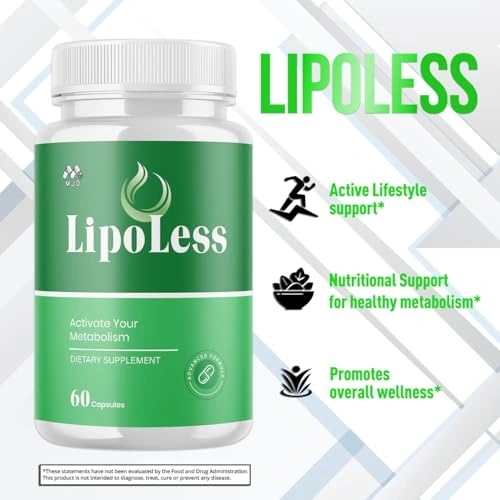
LipoLess is a vegan, non-GMO daily supplement built on a 600 mg Advanced Metabolism Blend with magnesium — designed to sit alongside a lighter, more consistent eating routine, not replace it.
See LipoLess PackagesDaily habits that help you feel less bloated
Because most bloating is habit-driven, the fixes are habit-driven too. None of these are dramatic — they simply give your gut an easier job.
Slow down and chew
Aim to put your fork down between bites and chew each mouthful properly. Eating over 15–20 minutes rather than 5 reduces swallowed air and gives your body time to register fullness, so you eat a comfortable amount.
Walk after meals
A gentle 10–15 minute walk after eating helps move food and gas through your system, easing that heavy post-meal feeling. It’s one of the most reliable natural remedies for bloating — and it doubles as everyday movement that supports your metabolism.
Hydrate steadily
It sounds backwards, but drinking enough water actually reduces fluid retention, because your body clings to water when it’s running low. Steady sips through the day, especially when you eat more fibre or salt, keep things flowing.
Mind the fizzy and the “sugar-free”
Cutting carbonated drinks, chewing gum and sugar-alcohol products removes some of the most common gas sources in one move. Peppermint and ginger tea are traditional after-dinner comforts many people reach for instead.
Keep meals regular
Eating at roughly consistent times, in moderate portions, avoids the overwhelm-then-crash pattern that leaves you distended. It also steadies your appetite, which ties into managing sugar cravings and the kind of late-evening grazing that fuels next-morning puffiness.
A calmer routine, backed up
Once the basics are in place, a clean daily supplement can be a convenient part of the routine. LipoLess pairs magnesium — an essential mineral that contributes to normal energy-yielding metabolism — with a focused metabolism blend, in a simple two-capsule serving.
View Pricing & PacksBloating vs belly fat: they’re not the same
This distinction matters, because the solutions are opposite. Bloating is temporary gas or fluid; it makes your stomach feel tight and look distended, and it usually eases within hours. Belly fat is stored tissue that accumulates slowly and doesn’t change day to day. If your stomach is round in the evening but flatter in the morning, you’re almost certainly dealing with bloating. If the change is gradual over weeks and months, that’s a body-composition question — and we cover the everyday drivers in our guide to what causes belly fat.
Chasing belly-fat solutions for what is really bloating (or the reverse) is a common and frustrating mistake. Knowing which one you’re facing saves you a lot of wasted effort.
Where a supplement realistically fits
No capsule “cures” bloating, and any product that promises to is overselling. The foundations — eating slowly, moving after meals, hydrating, and getting to know your trigger foods — will always do the real work. Where a clean daily supplement can help is by supporting a consistent, active routine over time. That’s the role LipoLess is built for: a concentrated, transparent formula that sits quietly in the background of a healthy lifestyle rather than promising a quick fix.
When comparing products, favour a short, honest label over a long “pixie-dust” ingredient list, and treat realistic expectations as a good sign, not a weakness.
Ready to feel lighter every day?
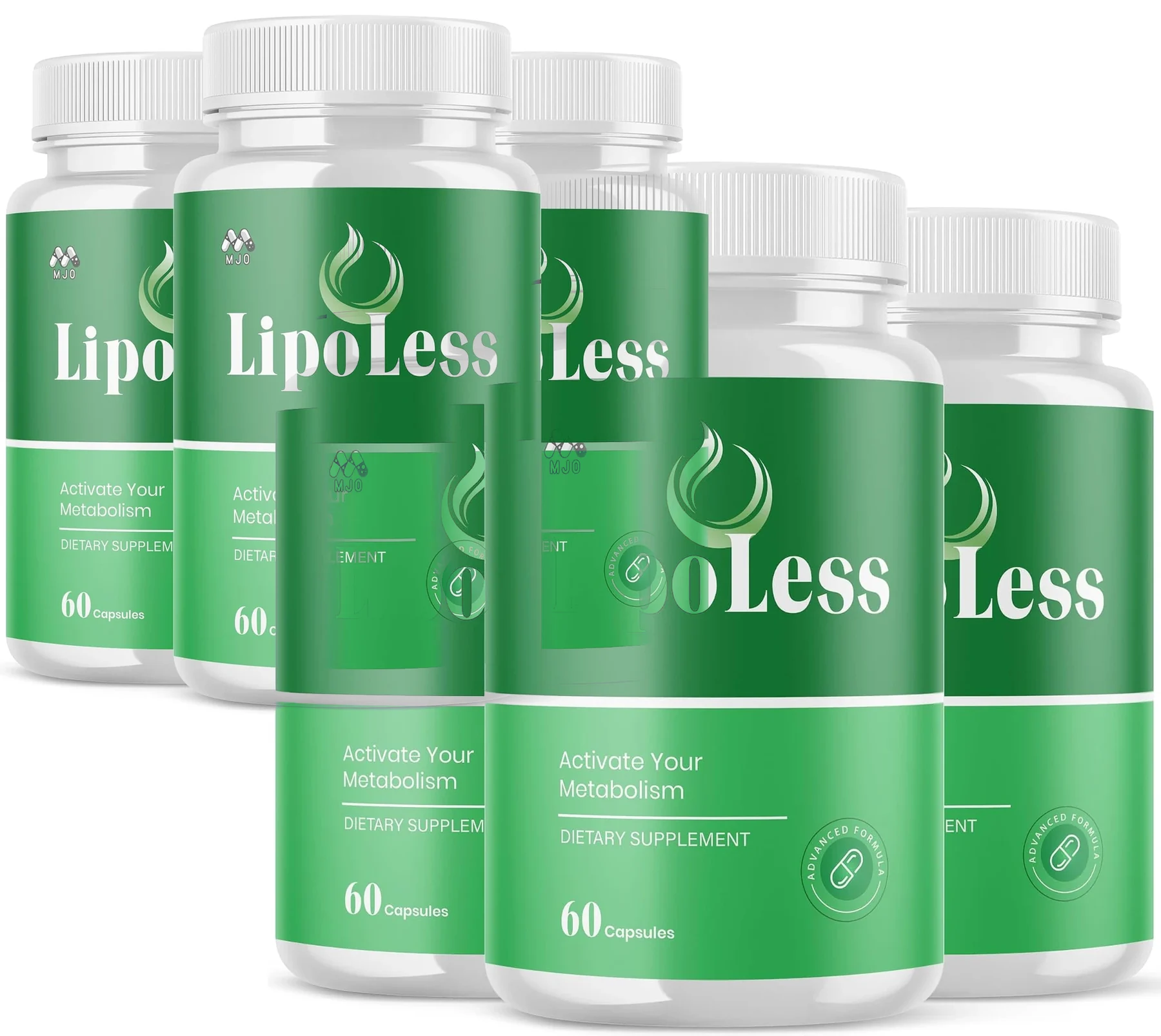
Pair these habits with a daily two-capsule metabolism supplement — vegan, non-GMO and protected by a 60-day money-back guarantee. Multi-bottle packs make the routine easy to keep.
Order LipoLess TodayFrequently asked questions
Why am I always bloated even when I eat healthy?
Healthy foods can still cause bloating. Beans, cruciferous vegetables, onions, whole grains and some fruits are high in fibre and fermentable carbohydrates, which produce gas as your gut bacteria break them down. Eating them too quickly, in very large portions, or increasing fibre suddenly can all leave you feeling puffy even on a clean diet.
How can I reduce bloating fast and naturally?
Simple everyday habits help most: eat slowly and chew well, take a gentle 10–15 minute walk after meals, sip water through the day, cut back on carbonated drinks and chewing gum, and watch salty processed foods that hold on to water. Peppermint or ginger tea are traditional after-meal comforts many people find soothing.
What foods cause the most bloating?
Common triggers include carbonated drinks, very salty processed foods, beans and lentils, onions and garlic, cabbage and broccoli, dairy for those who are sensitive to lactose, sugar alcohols in “sugar-free” products, and large amounts of fatty or fried food that slow digestion.
Is bloating the same as belly fat?
No. Bloating is usually temporary gas or fluid that makes your stomach feel tight and look distended, and it often eases within hours. Belly fat is stored tissue that builds gradually over time. The two can overlap, but they have different causes and different solutions.
When should I see a doctor about bloating?
Occasional bloating after meals is normal. Speak with a qualified healthcare professional if bloating is persistent, painful, or comes with unexplained weight loss, changes in bowel habits, or other new symptoms, so any underlying cause can be checked.
References
- National Institute of Diabetes and Digestive and Kidney Diseases. “Symptoms & Causes of Gas in the Digestive Tract.” niddk.nih.gov
- U.S. Department of Agriculture. “Dietary Guidelines for Americans, 2020–2025.” dietaryguidelines.gov
- National Institutes of Health, Office of Dietary Supplements. “Magnesium — Fact Sheet for Health Professionals.” ods.od.nih.gov
- Centers for Disease Control and Prevention. “Water and Healthier Drinks.” cdc.gov
- Moshiree B, et al. “AGA Clinical Practice Update on Evaluation and Management of Belching, Abdominal Bloating, and Distention: Expert Review.” Gastroenterology, 2023. PubMed 37452811
- Lacy BE, et al. “Management of Chronic Abdominal Distension and Bloating.” Clinical Gastroenterology and Hepatology, 2021. PubMed 32246999
† These statements have not been evaluated by the Food and Drug Administration. This product is not intended to diagnose, treat, cure or prevent any disease. This article is for general information only and is not medical advice; consult a qualified healthcare professional before changing your diet, exercise or supplement routine.