What Causes Belly Fat? The Habits and Foods Behind It
| The short version | What causes belly fat is rarely one thing — it’s a stack of daily habits: extra calories, too little movement, poor sleep, and ongoing stress. |
| Biggest drivers | Sugary drinks and refined carbs, large portions, low muscle mass, short sleep and chronic stress. |
| What you can’t change | Genetics, age and hormones affect where you store fat — but not whether habits help. |
| Where supplements fit | As support for a consistent routine — never as a spot-reduction shortcut. |
If you’ve been staring in the mirror wondering what causes belly fat — especially when the rest of your habits feel reasonable — you’re asking exactly the right question. Belly fat isn’t a punishment or a personal failing; it’s the visible result of a handful of everyday inputs that most of us aren’t taught to notice. The encouraging part is that the biggest drivers are also the most changeable.
In this guide we’ll break down what causes belly fat in plain terms: the foods, the movement patterns, the sleep and the stress that quietly shape your waistline. We’ll also explain why “spot reduction” doesn’t work, and outline a calm, sustainable daily routine that helps — no crash diets required.
First, what belly fat actually is
Not all belly fat is the same. Just under the skin sits subcutaneous fat, the soft layer you can pinch. Deeper, around your organs, is visceral fat, which is more metabolically active and is the type researchers pay closest attention to. Where your body prefers to store fat is influenced by genetics, age, sex and hormones — which is why two people with similar diets can carry weight very differently. The distinction matters clinically as well as cosmetically: an international position statement concluded that visceral and ectopic fat, rather than body weight alone, carry most of the cardiometabolic risk associated with excess adiposity (Neeland et al., The Lancet Diabetes & Endocrinology, 2019).
Here’s the key point: you can’t choose where you lose fat first, but you absolutely influence how much your body stores through daily habits. That’s where your leverage lies, and it’s what the rest of this article focuses on.
What causes belly fat: the everyday drivers
1. A consistent calorie surplus
At the simplest level, fat accumulates when you regularly take in more energy than you use. This rarely happens through big, obvious meals — it’s usually the quiet extras: sugary drinks, refined-carb snacks, oversized portions, mindless grazing and liquid calories that don’t fill you up. Sugary drinks are a particular culprit because they add a lot of calories without any of the fullness that solid food provides.
2. Too little movement and muscle
Modern days are built for sitting, and low activity means fewer calories burned and, over time, less lean muscle. Muscle is metabolically active tissue, so losing it nudges your resting energy use downward. Both formal exercise and everyday, non-exercise movement matter here — a theme we dig into in our guide on how to boost your metabolism naturally.
3. Short or poor-quality sleep
Sleep is one of the most underrated pieces of the puzzle. Consistently short sleep is linked with stronger appetite signals, more cravings for high-calorie food, and less energy to move the next day. If your nights are chaotic, your waistline often follows — and fixing sleep can make every other habit dramatically easier.
4. Chronic stress
Ongoing stress keeps the hormone cortisol elevated, which for many people is associated with increased appetite and a tendency to store fat around the middle. Stress also drives comfort eating and disrupts sleep, creating a loop that’s hard to break. Managing stress isn’t a luxury here — it’s part of the strategy, and it overlaps closely with breaking the emotional-eating cycle. Reviewers describe the stress-to-weight link as real but highly individual, with some people much more susceptible than others (van der Valk et al., 2018).
5. Too many refined carbs and added sugar
Refined carbohydrates and added sugars are digested quickly, spike then dip your energy, and tend to leave you hungry again soon after. That cycle makes it easy to overeat across the day. Swapping some refined carbs for higher-fibre, protein-rich choices keeps you fuller for longer and steadies your appetite.
6. Age and hormones
As we get older, muscle mass naturally declines and hormones shift, both of which can encourage fat to settle around the abdomen. You can’t stop the clock, but resistance training and adequate protein directly counter age-related muscle loss — which is why they matter even more as the years go on. If this pattern started years ago and never really reversed, the wider question of why you gain weight so easily is the more useful place to look.
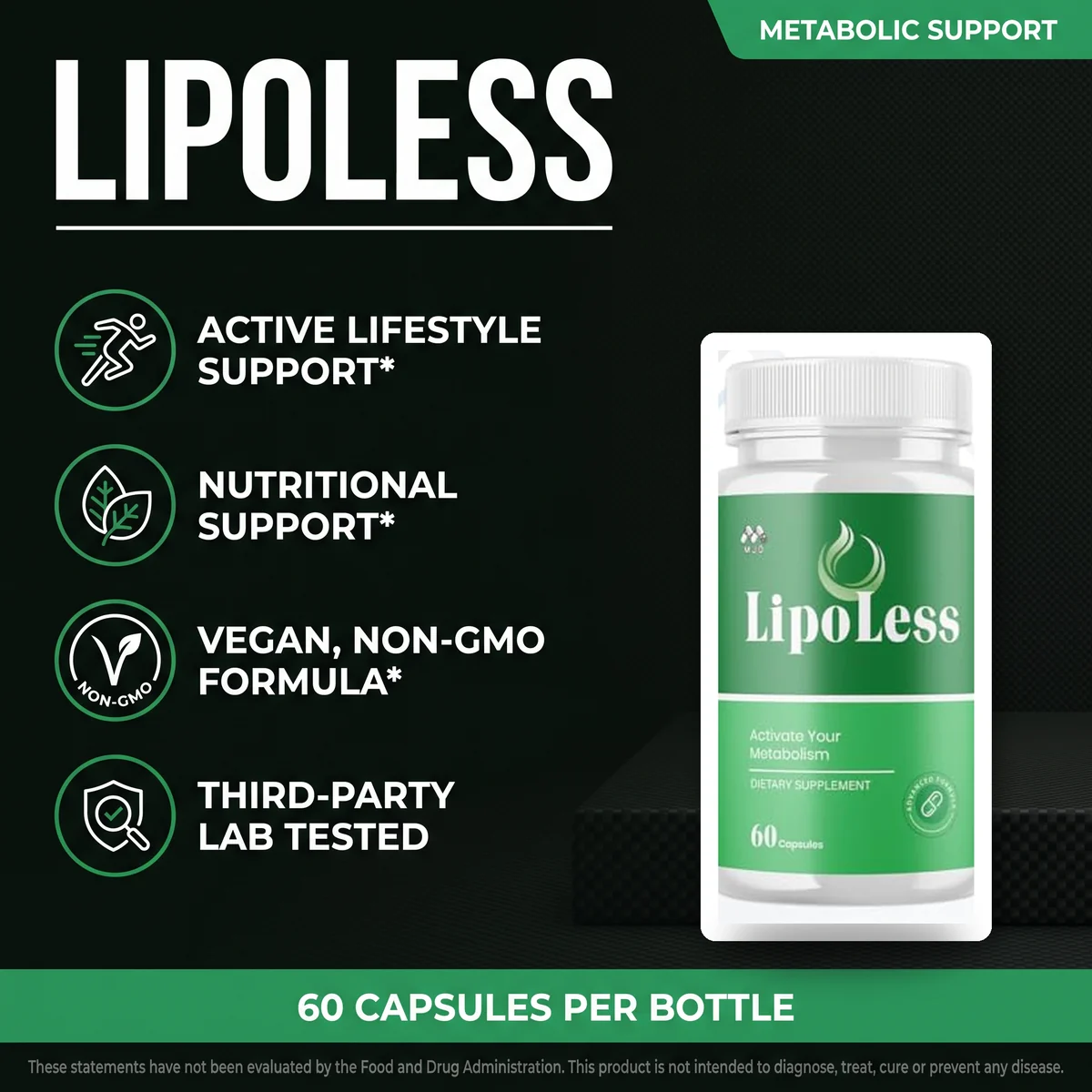
Support your daily routine with LipoLess
LipoLess is a vegan, non-GMO daily supplement built on a 600 mg Advanced Metabolism Blend with magnesium — designed to work alongside the habits that manage belly fat, not to replace them.
See LipoLess PackagesWhy you can’t “spot reduce” belly fat
It’s one of the most persistent fitness myths: do enough crunches and the belly fat melts away. In reality, targeted exercises strengthen the muscles underneath, but they don’t preferentially burn the fat on top. Your body draws on fat stores throughout as you gradually manage your overall energy balance and stay active. Belly fat does tend to respond over time — but as part of a whole-body process, not a localised one.
This is actually good news. It means you don’t need a gimmicky belly-specific programme. A sensible, consistent routine that addresses calories, movement, sleep and stress is what moves the needle.
A calm daily routine that helps
You don’t need to overhaul your life overnight. Pick a couple of these to start, then layer in the rest as they become automatic.
- Anchor meals with protein — it’s filling, helps preserve muscle, and takes more energy to digest.
- Cut liquid calories — swapping sugary drinks for water or unsweetened tea is one of the highest-impact single changes.
- Strength train 2–3 times a week — bodyweight, bands or weights all build the muscle that supports your metabolism.
- Add everyday movement — walks after meals, taking the stairs, standing breaks; it quietly adds up.
- Protect your sleep — aim for a regular schedule of seven-plus hours to steady appetite and energy.
- Manage stress — even short daily wind-downs help break the stress-eating loop.
- Watch the extras — refined snacks and mindless grazing are where surpluses hide.
Backing up the basics
Once your routine is in place, a clean daily supplement can be a convenient part of it. LipoLess pairs magnesium — an essential mineral that contributes to normal energy-yielding metabolism — with a focused metabolism blend, in a simple two-capsule serving.
View Pricing & PacksBloating vs belly fat — a quick check
Before you commit to a fat-loss plan, make sure that’s what you’re dealing with. If your stomach looks rounder in the evening and flatter by morning, that’s more likely temporary bloating than stored fat — and it responds to different fixes. Our guide to why you might always feel bloated covers the trigger foods and habits behind that puffy feeling. Stored belly fat, by contrast, changes slowly over weeks and months.
Where a metabolism-support supplement fits
Let’s be clear: no supplement burns belly fat, and any product claiming to melt it away is overpromising. The fundamentals — calorie balance, protein, movement, sleep and stress — will always do the heavy lifting. What a clean, transparent daily supplement can do is support a consistent, active lifestyle over time. That’s the modest, honest role LipoLess is built for. When comparing options, look for a short label, third-party testing, and realistic language rather than dramatic before-and-after promises.
Build a routine you can keep
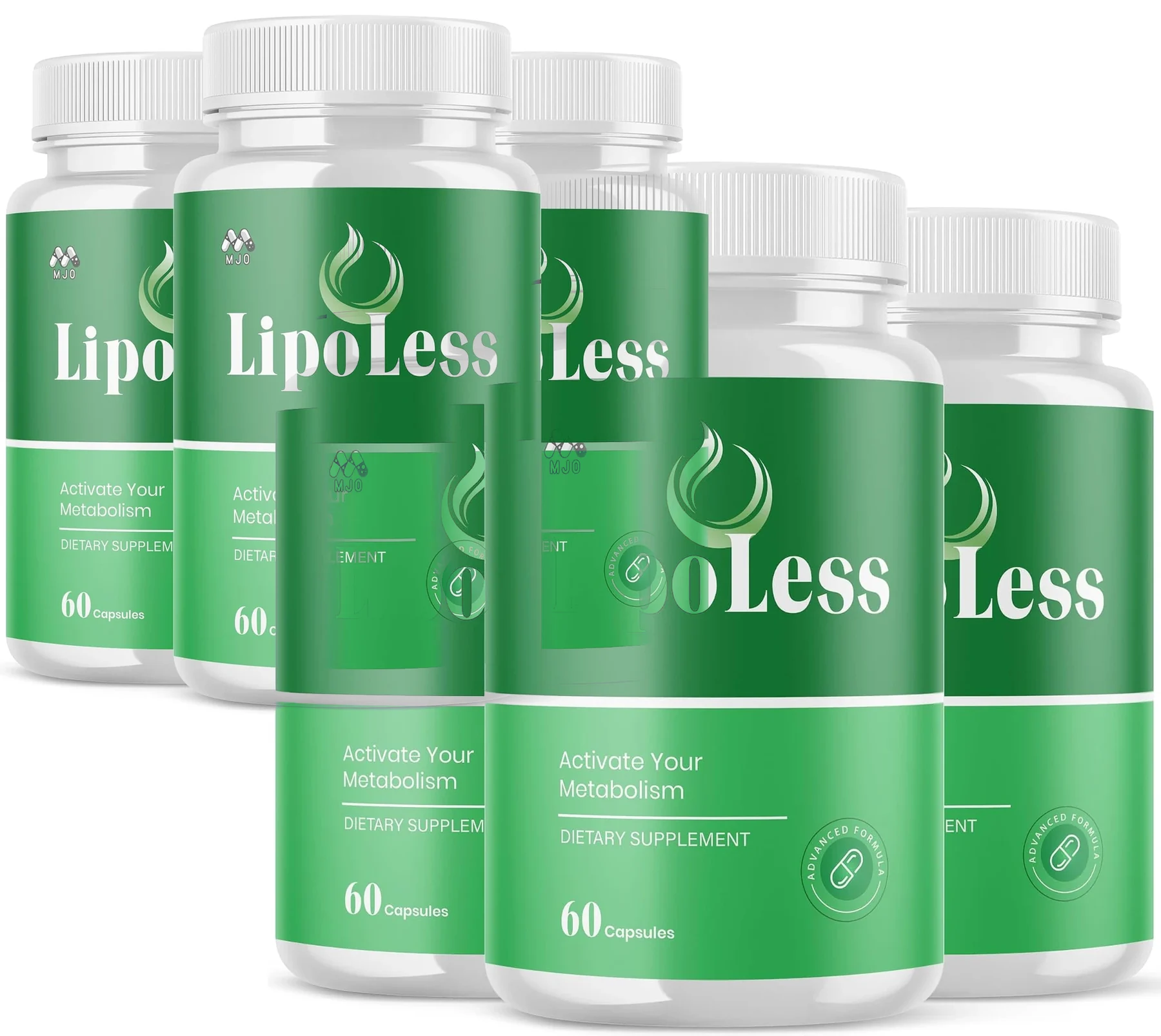
Pair these habits with a daily two-capsule metabolism supplement — vegan, non-GMO and protected by a 60-day money-back guarantee. Multi-bottle packs make consistency easy.
Order LipoLess TodayFrequently asked questions
What causes belly fat the most?
The biggest everyday drivers are a consistent calorie surplus (often from sugary drinks, refined carbs and large portions), too little movement and muscle, short or poor sleep, and ongoing stress. Genetics, age and hormones influence where you store fat, but daily habits are the levers you can actually change.
Can you target belly fat specifically?
No. Spot reduction is a myth — you can’t burn fat from one area with crunches or a special food. The body draws on fat stores throughout as you gradually manage overall calories and stay active, and belly fat tends to respond over time as part of that whole-body process.
Why do I have belly fat but I’m not overweight?
It’s common to carry more fat around the middle even at a normal weight, influenced by genetics, age, low muscle mass, sleep and stress. Building lean muscle, moving more through the day, and managing sleep and stress all help, regardless of the number on the scale.
Does sugar cause belly fat?
Excess sugar — especially from sugary drinks and refined snacks — adds easy calories and can crowd out more filling foods, which contributes to fat gain over time. Sugar itself isn’t uniquely fattening, but the surplus of calories it makes easy to consume is what matters.
How long does it take to lose belly fat?
There’s no fixed timeline, and quick fixes rarely last. Most people find that steady habits over several weeks to months — a moderate calorie balance, enough protein, regular movement and good sleep — are what produce sustainable changes rather than a crash approach.
References
- National Heart, Lung, and Blood Institute. “Aim for a Healthy Weight.” nhlbi.nih.gov
- Centers for Disease Control and Prevention. “Physical Activity Basics.” cdc.gov
- U.S. Department of Agriculture. “Dietary Guidelines for Americans, 2020–2025.” dietaryguidelines.gov
- National Institutes of Health, Office of Dietary Supplements. “Magnesium — Fact Sheet for Health Professionals.” ods.od.nih.gov
- Neeland IJ, et al. “Visceral and ectopic fat, atherosclerosis, and cardiometabolic disease: a position statement.” The Lancet Diabetes & Endocrinology, 2019. PubMed 31301983
- van der Valk ES, et al. “Stress and Obesity: Are There More Susceptible Individuals?.” Current Obesity Reports, 2018. PubMed 29663153
† These statements have not been evaluated by the Food and Drug Administration. This product is not intended to diagnose, treat, cure or prevent any disease. This article is for general information only and is not medical advice; consult a qualified healthcare professional before changing your diet, exercise or supplement routine.