Why Do I Feel Tired and Sluggish All the Time? Causes
| The short version | If you feel tired and sluggish all the time, it’s usually several everyday drains stacked together — not one big problem. |
| Most common causes | Poor sleep, blood-sugar swings, dehydration, too little movement, skipped meals and stress. |
| Fastest wins | Balance meals with protein and fibre, hydrate, walk daily, and protect a regular sleep schedule. |
| Where supplements fit | As support for a steady, active routine — never as a substitute for sleep and good food. |
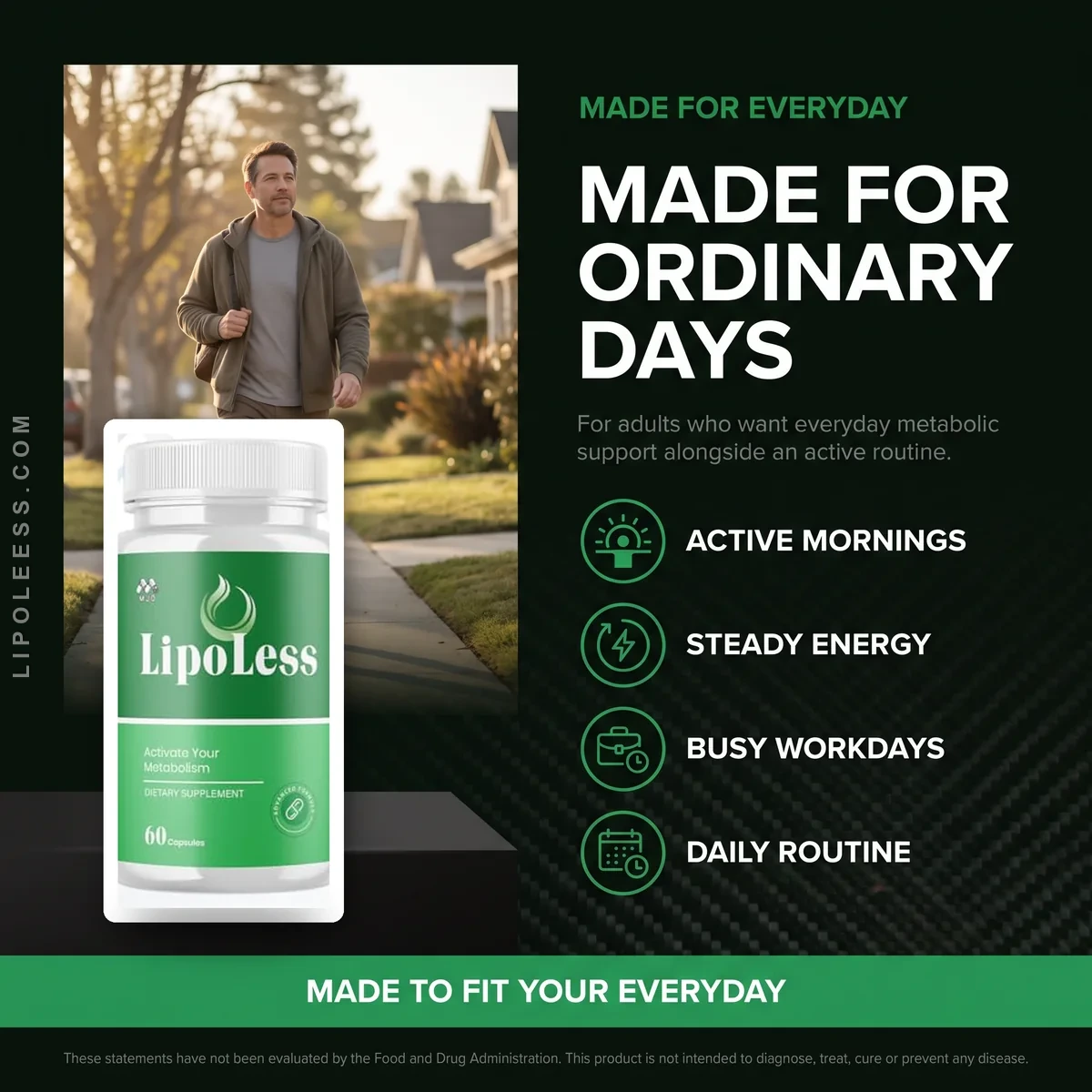
Dragging yourself through the day, hitting a wall by mid-afternoon, feeling foggy even after a full night in bed — if you keep asking why do I feel tired and sluggish all the time, you’re far from alone. Persistent low energy is one of the most common everyday complaints, and for most people it isn’t caused by one dramatic thing. It’s a handful of ordinary habits quietly draining the tank at once.
The good news is that the same everyday factors that sap your energy are the ones you can adjust. This guide walks through the most common reasons you feel tired and sluggish, and the practical daily habits — sleep, food, hydration, movement and stress — that help you feel steadier and more alert.
Why you feel tired and sluggish: the usual suspects
1. Not enough — or poor-quality — sleep
It sounds obvious, but sleep is the foundation, and it’s the one most people quietly shortchange. Consistently getting fewer than seven hours, or sleeping poorly, leaves you running a daily energy deficit no coffee can fully cover. Just as important as quantity is regularity: going to bed and waking at wildly different times confuses your body clock and leaves you groggy. Short sleep is also extremely common rather than unusual: a survey study of young adults found widespread sleep deprivation running alongside high daytime sleepiness scores (Rubin et al., Health Psychology Research, 2023), and randomised trials show restricted sleep shifts metabolism-related measures too, not just alertness (Zhu et al., 2019).
2. Blood-sugar swings
A breakfast or lunch built mostly from refined carbs — pastries, white bread, sugary cereal — spikes your blood sugar and then drops it, taking your energy with it. That crash is the engine behind the classic afternoon slump. It also drives cravings, which is why this overlaps with our guide on stopping sugar cravings naturally.
3. Dehydration
Water is involved in nearly every process in your body, and even mild dehydration is linked with fatigue, poor concentration and low mood. Because thirst often masquerades as tiredness, many people push through a slump that a glass of water would have eased.
4. Too little movement
It feels backwards, but sitting all day tends to make you more tired, not less. Regular, moderate movement improves circulation, mood and sleep, and over time builds energy rather than draining it. Long stretches of inactivity, by contrast, leave you feeling heavy and flat.

5. Skipping meals and under-fuelling
Running on empty — skipping breakfast, eating too little during the day — leaves your body without steady fuel and often ends in an energy crash and evening overeating. Regular, balanced meals keep your energy on an even keel.
6. Chronic stress
Ongoing stress is mentally and physically exhausting. It disrupts sleep, drains focus, and drives comfort eating that adds to the slump. Managing stress isn’t separate from managing energy — they’re tightly linked, and it also feeds into emotional eating patterns.
Support steady daily energy with LipoLess
LipoLess is a vegan, non-GMO daily supplement built on a 600 mg Advanced Metabolism Blend with magnesium — an essential mineral that contributes to normal energy-yielding metabolism — designed to support an active routine, not replace it.
See LipoLess PackagesHow to feel less tired: everyday fixes that work
Balance every meal
Pair carbohydrates with protein and fibre so your energy releases slowly instead of spiking and crashing. A protein-forward breakfast in particular sets a steadier tone for the whole day and helps head off the afternoon dip.
Hydrate on a schedule
Keep water within reach and sip through the day rather than waiting until you’re parched. Starting the morning with a glass of water, and drinking with each meal, is an easy default that pays off in sharper focus.
Move a little, often
You don’t need a gruelling workout. A brisk 10–15 minute walk — especially after lunch — is one of the most reliable ways to break a slump. Standing breaks and a bit of stretching through the day keep energy from pooling.
Protect your sleep
Treat sleep as a performance tool: a consistent schedule, a cool dark room, and a wind-down routine away from screens. Nudging your average from six hours toward seven or eight, most nights, can transform how the rest of your habits feel.
Steadier energy, backed up
With the basics in place, a clean daily supplement can be a convenient part of the routine. LipoLess pairs magnesium — which supports normal energy-yielding metabolism and healthy muscle and nervous-system function — with a focused metabolism blend, in a simple two-capsule serving.
View Pricing & PacksGet outside and take real breaks
Natural light helps regulate your body clock, and stepping away from your desk — even briefly — restores focus far better than pushing through. A short outdoor break at lunch supports both energy and sleep that night.
Watch the caffeine timing
Caffeine has its place, but drinking it late in the day can quietly undermine your sleep, feeding the next day’s tiredness. Keeping it to the morning and early afternoon protects the rest that actually recharges you.
The afternoon crash, decoded
That 2–4 p.m. wall is the perfect storm of the causes above: a refined-carb lunch spikes and drops your blood sugar, yesterday’s short sleep is catching up, you’re mildly dehydrated, and you’ve been sitting for hours. Attack it on several fronts — a balanced lunch with protein and fibre, a glass of water, and a brisk walk — and the slump often shrinks dramatically. It’s the same steady-energy foundation we describe in our guide to boosting your metabolism naturally.
Where a metabolism-support supplement fits
Let’s be honest: no supplement replaces sleep, food, water and movement, and any product promising all-day energy in a capsule is overselling. Those fundamentals will always come first. What a clean daily supplement can do is support a steady, active routine over time — the modest role LipoLess is built for. Magnesium, one of its ingredients, is an essential mineral that contributes to normal energy-yielding metabolism, yet many everyday diets fall short of the recommended intake. When comparing products, favour a short, transparent label and realistic expectations.
Build steadier, more energetic days
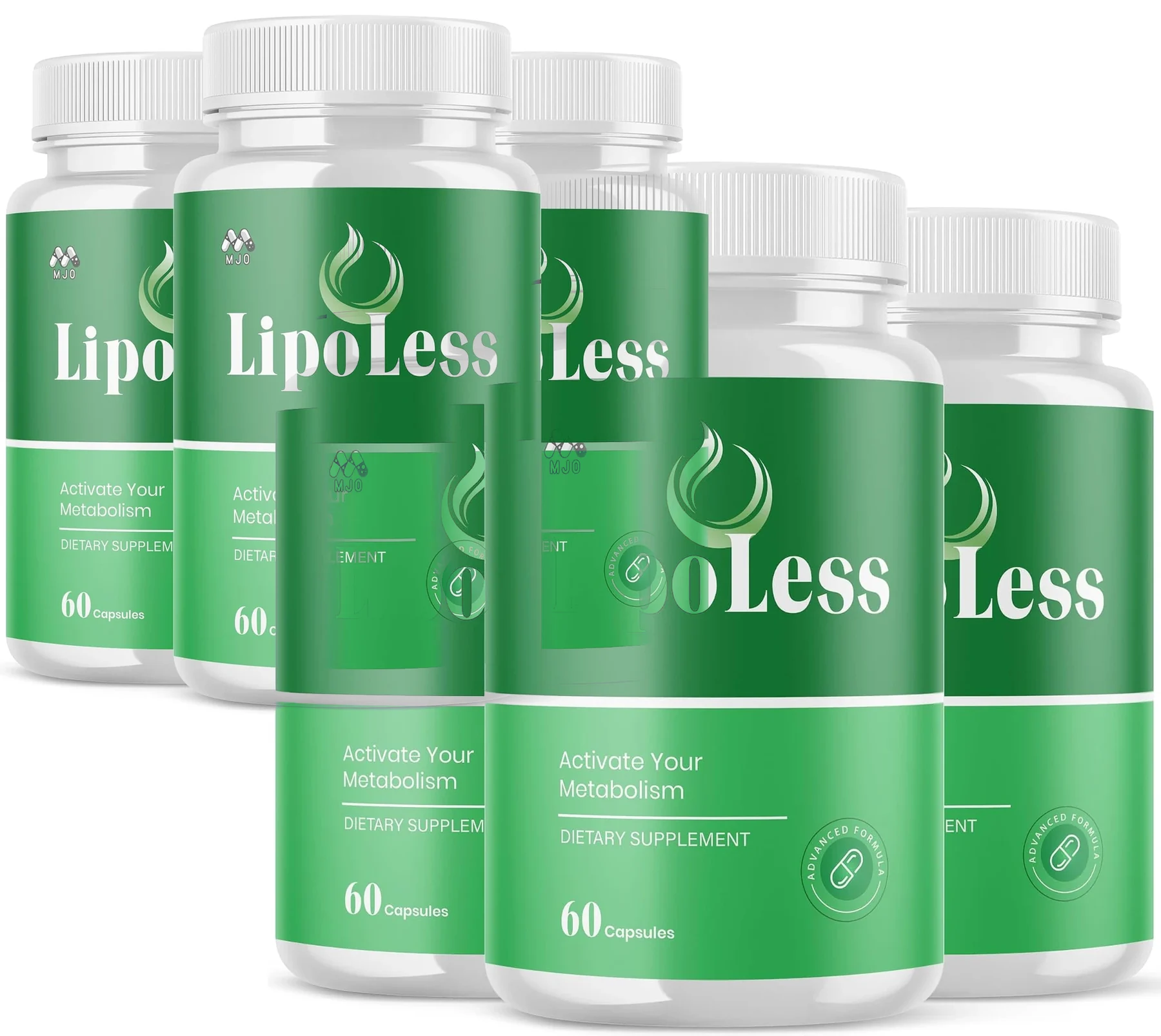
Pair these habits with a daily two-capsule metabolism supplement — vegan, non-GMO and protected by a 60-day money-back guarantee. Multi-bottle packs make the routine easy to keep.
Order LipoLess TodayFrequently asked questions
Why do I feel tired and sluggish all the time?
Persistent low energy is usually a combination of everyday factors: too little or poor-quality sleep, blood-sugar swings from refined-carb meals, dehydration, too little movement, ongoing stress and skipped meals. Each one drains energy, and together they can leave you feeling flat all day.
What causes the afternoon energy crash?
The classic mid-afternoon slump often follows a lunch heavy in refined carbs, which spikes then drops your blood sugar. Add a poor night’s sleep, dehydration and hours of sitting, and the dip deepens. Balancing lunch with protein and fibre, hydrating, and taking a short walk all help smooth it out.
Can dehydration make you feel tired?
Yes. Even mild dehydration is associated with fatigue, poor concentration and low mood. Because thirst can feel like tiredness or hunger, many people reach for a snack when a glass of water was what they needed. Steady hydration through the day is a simple energy habit.
Does exercise help with tiredness?
It seems counter-intuitive, but regular, moderate activity tends to increase energy over time rather than drain it. Even a short daily walk improves circulation, mood and sleep quality. The key is consistency and not overdoing it when you’re already exhausted.
When should I see a doctor about fatigue?
Everyday tiredness usually improves with better sleep, food, hydration and movement. If fatigue is severe, persistent, or comes with other symptoms, speak with a qualified healthcare professional, as ongoing tiredness can sometimes have an underlying medical cause worth checking.
References
- Centers for Disease Control and Prevention. “About Sleep.” cdc.gov
- National Institutes of Health, Office of Dietary Supplements. “Magnesium — Fact Sheet for Health Professionals.” ods.od.nih.gov
- Centers for Disease Control and Prevention. “Physical Activity Basics.” cdc.gov
- U.S. Department of Agriculture. “Dietary Guidelines for Americans, 2020–2025.” dietaryguidelines.gov
- Rubin A, et al. “The extent of sleep deprivation and daytime sleepiness in young adults.” Health Psychology Research, 2023. PubMed 37197394
- Zhu B, et al. “Effects of sleep restriction on metabolism-related parameters in healthy adults: A comprehensive review and meta-analysis of randomized controlled trials.” Sleep Medicine Reviews, 2019. PubMed 30870662
† These statements have not been evaluated by the Food and Drug Administration. This product is not intended to diagnose, treat, cure or prevent any disease. This article is for general information only and is not medical advice; consult a qualified healthcare professional before changing your diet, exercise or supplement routine.